Upholstery Fabric Ideas and Care: Tips for Durable, Stylish Seats

Choosing the right upholstery fabric can transform any room from ordinary to extraordinary. It’s not just about picking a color or pattern that catches the eye; it’s about finding materials that can withstand daily wear while still looking chic and inviting. Whether you’re revamping a beloved armchair or selecting the perfect fabric for a new sofa, durability and style are key.
Note: This post may contain affiliate links, which means if you buy from my link I might make a small commission. This does not affect the price you pay. See the full affiliate disclosure here.
Caring for upholstery fabric ensures it maintains its beauty and functionality over time. From natural fibers like cotton and linen to synthetic options like microfiber and polyester, each type of fabric requires specific care to keep it looking its best. Let’s dive into the world of upholstery fabric ideas and care, where durability meets style, creating seating that’s both practical and stylish.
Understanding Different Upholstery Fabric Types
When diving into the world of upholstery, it’s essential to grasp the vast array of fabric types available. Each offers unique characteristics, influencing both the aesthetic and functionality of furniture. From luxurious natural fibers to durable synthetics, the choice of material can drastically impact a room’s look and the longevity of the seating options it hosts.
Natural Fibers such as cotton, wool, and linen are prized for their comfort and breathability. Cotton, for instance, offers a soft touch but is susceptible to fading and staining. Wool, contrasting, provides excellent durability and natural stain resistance, making it a favored choice for areas of heavy use. Linen, celebrated for its elegant and natural look, demands careful maintenance to preserve its beauty.
Synthetic Fabrics, including polyester, microfiber, and nylon, are engineered for durability. Polyester stands out for its resistance to fading and wrinkling, maintaining a pristine look over time. Microfiber, known for its softness, is an excellent option for households with children or pets due to its easy-to-clean nature. Nylon, though less common, boasts superior strength and resilience, ideal for furniture subjected to daily wear and tear.
For comprehensive knowledge on natural and synthetic fabrics, renowned resources such as Better Homes & Gardens and Architectural Digest provide in-depth insights.
Selecting the right upholstery fabric extends beyond aesthetics. It’s crucial to consider the fabric’s care requirements, environmental impact, and how its texture and color complement a room’s existing decor. Taking these aspects into account ensures that the selected fabric not only looks stunning but also stands the test of time, offering both comfort and functionality.
Choosing the Right Fabric for Durability and Style
When it comes to selecting the perfect upholstery fabric, it’s crucial to find a balance between durability and aesthetics. This balance ensures that the furniture not only looks great but also stands up to daily use. High-quality upholstery fabric can transform any space, making it both inviting and resilient against wear and tear.
Understanding Fabric Durability
Durability is a key factor to consider. The durability of upholstery fabric is often gauged by the double rub count, which measures the fabric’s resistance to abrasion. Fabrics with higher double rub counts are typically more durable and suitable for furniture that will see a lot of use. For household furniture, it’s recommended to choose fabrics with a double rub count of at least 10,000. Here’s a quick look at some durable fabric options:
- Leather: Known for its longevity and easy maintenance.
- Microfiber: Offers superb durability along with stain resistance.
- Canvas: A heavyweight option that’s ideal for casual or high-traffic areas.
Style That Lasts
While durability is crucial, the style of the fabric can’t be overlooked. The chosen fabric should complement the room’s existing decor and reflect the owner’s personal taste. For timeless appeal, neutral colors and classic patterns are often recommended. However, for those looking to make a statement, bold colors and unique textures can add a distinctive touch to any room.
For further insight into the latest trends and durable fabric options, reputable sources such as Better Homes & Gardens and Architectural Digest offer a wealth of information.
Choosing upholstery fabric involves juggling several factors, including the fabric’s durability, care requirements, environmental impact, and how well it matches the existing decor. It’s about creating a harmonious balance that caters to both practical needs and aesthetic desires. By considering these aspects, homeowners can ensure their furniture not only looks stunning but also holds up over time, offering both style and functionality.
Stylish Patterns and Textures for Upholstery Fabric
When it comes to transforming a room, the choice of upholstery fabric patterns and textures plays a pivotal role. They don’t just add visual interest; they set the tone for the entire space. Whether one’s aiming for a modern, minimalist look or a cozy, eclectic vibe, there’s a fabric pattern and texture out there that’s perfect.
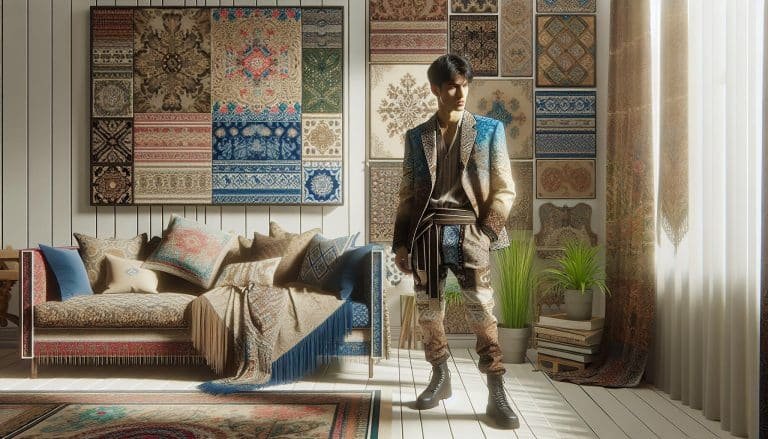
Geometric Patterns for a Modern Twist
For those seeking a contemporary feel, geometric patterns offer a clean and sophisticated look. From sharp, angular designs to soft, curving lines, these patterns work beautifully in modern interiors. They create a sense of structure and can make a bold statement without overwhelming the space. Websites like Architectural Digest often showcase how renowned designers employ geometric patterns to achieve a sleek, modern aesthetic.
Floral and Organic Motifs for a Touch of Nature
Floral and organic motifs bring the beauty of the outdoors inside. Ideal for creating a serene and inviting atmosphere, these patterns range from bold, large-scale blooms to subtle, leafy designs. They work especially well in traditional and bohemian decor styles, adding a lively splash of color and texture. For inspiration, checking out the latest trends on Elle Decor can spark ideas on integrating these natural elements into upholstery fabric.
Textural Richness for Added Depth
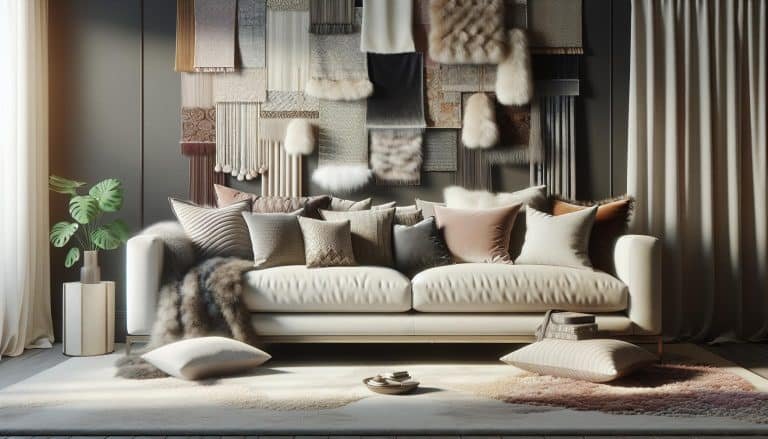
Beyond patterns, the texture of upholstery fabric adds another dimension to furniture. Velvets and chenilles offer a plush, luxurious feel, perfect for adding warmth and comfort. In contrast, linens and cottons provide a crisp, clean look that enhances airy, light-filled spaces. Incorporating different textures can elevate the overall sensory experience of a room, making it more inviting and comfortable.
Incorporating stylish patterns and rich textures into upholstery fabric is about more than just aesthetics; it’s about creating a space that reflects personal style while achieving comfort and durability. For those looking to delve deeper into fabric selections, Better Homes & Gardens offers a wealth of information on choosing the right fabric to meet design and lifestyle needs.
Essential Care Tips for Maintaining Upholstery Fabric
Maintaining the beauty and durability of upholstery fabric requires attention to detail and regular care. To ensure that sofas, chairs, and other upholstered furniture pieces remain vibrant and comfortable, adopting a series of maintenance practices is crucial.
Vacuuming regularly is the first step in preserving the fabric’s appearance and longevity. Dirt and dust can quickly accumulate on upholstered surfaces, embedding in the fibers and leading to premature wear. Utilizing a soft brush attachment, experts recommend a weekly vacuuming session to remove surface dust and particles. The Consumer Reports guide on vacuum cleaners can help select the best tools for upholstery care.
Immediate stain removal plays a significant role in fabric maintenance. Accidents happen, but how they’re handled can make a difference in the fabric’s resilience. For most spills, blotting—not rubbing—with a clean, dry cloth should be the initial action. Specific fabric types may require different cleaning solutions, so it’s vital to consult the manufacturer’s instructions or turn to resources like Good Housekeeping for advice on tackling various kinds of stains.
Fabric type dictates the appropriate cleaning method. For instance, water may be harmful to certain fabrics like velvet or silk, making it essential to know whether to use water-based or solvent-based cleaners. The American Cleaning Institute offers a comprehensive cleaning guide tailored to different upholstery materials.
Professional cleaning is recommended at least once every 12 to 18 months, depending on the usage and exposure to dirt of the upholstered furniture. Professional cleaners have the expertise and equipment to deep clean fabrics without damaging them, ensuring the upholstery remains in top condition.
In addition to these practices, avoiding direct sunlight and rotating cushions regularly can prevent uneven fading and wear, further extending the life of upholstery fabrics. Engaging in these care practices guarantees that upholstery remains as inviting and comfortable as the day it was purchased, making every seating area both durable and stylish.
Incorporating Upholstery Fabric Ideas into Your Home Decor
When thinking about revamping their living space, homeowners often overlook the transformative power of upholstery fabric. Yet, with the right choices, you can significantly enhance the aesthetic and ambiance of your rooms. From sumptuous velvets to organic linens, the variety of textures, patterns, and colors available can complement any home decor setting.
Choosing the Right Fabric
The first step in incorporating upholstery fabrics into your home decor is selecting the right material. It’s crucial to consider not only the style but also the function of the space. For high-traffic areas like family rooms, durable fabrics such as microfiber or leather are ideal. Bedrooms and formal living rooms can afford more luxurious materials like silk or velvet, which add a touch of elegance and comfort. For those looking for eco-friendly options, materials like organic cotton and recycled polyester are not only sustainable but also stylish. Sources like Better Homes & Gardens provide in-depth guidance on matching fabric types with room functions.
Color and Pattern Play
The color and pattern of the upholstery fabric you choose can set the tone for the entire room. For a cohesive look, designers recommend using the color wheel as a guide. Complementary colors create a vibrant look, while analogous colors ensure a more harmonious space. Patterns can range from bold geometric shapes to subtle floral prints, depending on the room’s theme. Mixing patterns is welcomed, provided there’s a common color to tie them together. It’s advisable to draw inspiration from reputable design sources such as Architectural Digest.
Practical Considerations
Beyond aesthetics, practical considerations are key in selecting upholstery fabric. It’s important to factor in the wearability and maintenance of the fabric. Easy-to-clean fabrics are a boon for homes with children or pets. Technologies in fabric manufacturing have made great strides, resulting in materials that are not only tough but also water and stain-resistant. Websites like Consumer Reports offer valuable insights on the durability and care of various upholstery fabrics.
Conclusion
Choosing the right upholstery fabric transforms a room’s look and feel while ensuring longevity and ease of care. Whether it’s the durability of microfiber for active spaces or the elegance of silk for formal areas, the key is in matching the fabric to both the room’s style and its practical needs. Remember, the ideal selection blends color, pattern, and maintenance seamlessly, creating a cohesive and inviting space. For those looking to make informed decisions, resources like Better Homes & Gardens and Consumer Reports are invaluable. With the right fabric, any seating can become a statement piece that stands the test of time.
Frequently Asked Questions
What is the best fabric for high-traffic areas in a home?
The best fabric for high-traffic areas is microfiber. It’s durable and easy to clean, making it ideal for spaces that see a lot of use.
Can luxurious fabrics like silk be used in home decor?
Yes, luxurious fabrics like silk can be used in home decor, particularly in formal spaces. However, they require more care and may not be suitable for areas prone to spills or heavy wear.
How can I ensure that the colors of my upholstery fabric match my home decor?
To ensure color cohesion in home decor, use the color wheel as a guide. Choose complementary or analogous colors and consider using a unifying color when mixing patterns to maintain harmony.
Are there any easy-to-maintain fabrics for homes with pets or children?
Yes, look for easy-to-clean and stain-resistant fabrics. Some options include tightly woven fabrics, microfiber, and certain synthetics designed to withstand spills and minimize pet hair attachment.
Where can I find reliable advice on selecting upholstery fabric?
For reliable advice on selecting upholstery fabric, sources like Better Homes & Gardens and Consumer Reports offer valuable insights. They provide detailed guides on fabric types, maintenance tips, and style recommendations.