
Ultimate Guide to Choosing the Right Curtains and Drapes for Your Home

Choosing the right curtains and drapes for your home isn’t just about blocking out light or ensuring privacy; it’s about making a statement. These essential pieces of home decor can dramatically transform the look and feel of any room, setting the mood and reflecting your personal style.
Note: This post may contain affiliate links, which means if you buy from my link I might make a small commission. This does not affect the price you pay. See the full affiliate disclosure here.
With countless options available, selecting the perfect window treatments can seem overwhelming. But fear not! Whether you’re aiming for a light and airy ambiance or a cozy, intimate setting, there’s a curtain or drape to match every window, style, and budget. Let’s dive into the essentials of choosing window treatments that not only look great but also function perfectly for your space.
Understanding the Importance of Curtains and Drapes
Curtains and drapes are not just decorative pieces that add beauty to your home; they serve several practical purposes that enhance living spaces significantly. Beyond their aesthetic appeal, window treatments play a pivotal role in controlling natural light, providing privacy, improving energy efficiency, and contributing to the acoustic properties of a room.
Natural Light and Privacy Control
The ability to control light and maintain privacy ranks high on the list of reasons homeowners choose specific curtains or drapes. During the day, natural light can be filtered or completely blocked out, depending on the fabric’s opacity. This light management is crucial in spaces where glare affects screen viewing or rest. Likewise, curtains and drapes ensure that privacy is maintained, shielding the interior from outside view, especially during the night when interior lights are on. For a detailed understanding of how to select the best fabric for light control and privacy, Better Homes & Gardens offers excellent insights at bhg.com.
Energy Efficiency
Another important aspect of choosing the right curtains and drapes is their ability to improve a home’s energy efficiency. Thick, heavy fabrics can provide an additional layer of insulation, keeping rooms warmer in the winter and cooler in the summer by preventing heat loss or gain through windows. According to the U.S. Department of Energy, about 30% of a home’s heating energy is lost through windows. Properly selected and installed window treatments can reduce energy loss, making them an eco-friendly and cost-saving choice. Find more on this at energy.gov.
Acoustic Improvement
Curtains and drapes can also enhance a room’s acoustics by absorbing sound, reducing echo, and minimizing noise from outside. This feature is particularly beneficial in densely populated areas where exterior noise can be a disturbance. Fabrics with a dense weave are more effective at sound absorption. For spaces where acoustics are crucial, such as home theaters or bedrooms, selecting the right material can significantly improve sound quality.
In sum, while aesthetics are often the primary consideration when selecting curtains and drapes, their functional benefits should not be overlooked. The right window treatments can transform not only the look but also the feel and comfort of a room, making them an essential element in home decor.
Assessing Your Window Treatment Needs

Before diving into the vast world of curtains and drapes, it’s essential to assess your window treatment needs. Understanding the primary function your curtains or drapes will serve in each room can guide your selection process, ensuring your choices enhance both the aesthetics and the functionality of your space.
Light Control and Privacy
One of the first considerations is the balance between light control and privacy. Different rooms may have varying requirements based on their usage and location. For example, bedrooms often benefit from blackout curtains to ensure a dark, restful environment at night, while living areas might need sheer drapes that filter light beautifully yet retain openness during the day. Resources like Good Housekeeping offer a wealth of information on selecting the right fabric types for these purposes.
Energy Efficiency
Another critical aspect is energy efficiency. Windows are a significant source of heat loss in the winter and heat gain in the summer. Selecting drapes with thermal lining can contribute to a more energy-efficient home, thus lowering heating and cooling costs. This is not only a win for your wallet but also for the environment. The U.S. Department of Energy (Energy.gov) provides detailed insights on how window treatments can impact energy consumption.
Room Acoustics
Lastly, consider the role of curtains and drapes in room acoustics. Thick, heavy fabrics can significantly reduce noise levels in a room, making them a perfect addition to home theaters, bedrooms, or any space where tranquility is desired. For individuals living in busy urban areas, this aspect could be a priority. Websites like Architectural Digest frequently discuss how textiles influence sound absorption, offering valuable tips for those looking to improve their home’s acoustics through decor.
By carefully evaluating these needs, you’ll be well-equipped to select window treatments that not only look fantastic but also fulfill specific functional requirements, making every room in your home comfortable and inviting.
Exploring Different Types of Fabrics and Styles

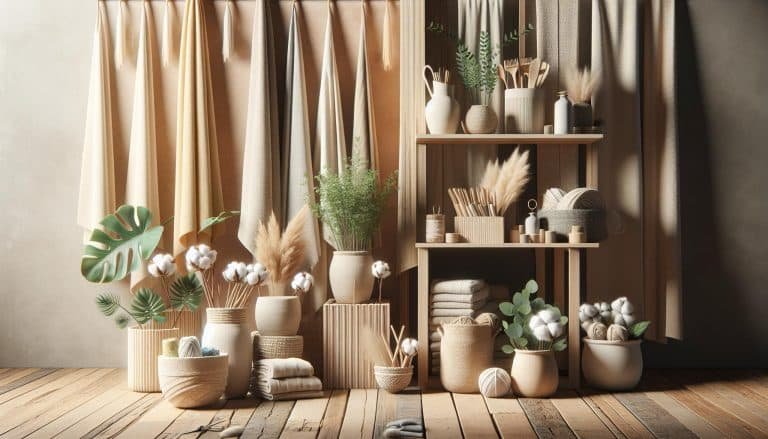
When choosing curtains and drapes, fabric choice plays a pivotal role in not only the aesthetics but also in functionality. Light fabrics such as cotton, linen, and lace allow natural light to penetrate, creating a bright, airy atmosphere ideal for living rooms and kitchens. These materials also lend a casual, effortless vibe to the space. On the contrary, heavy fabrics like velvet, brocade, and suede offer rich texture and depth, contributing to a more formal and opulent look. They’re excellent for privacy and blocking out light, making them suitable for bedrooms and home theaters.
The fabric’s thickness is not just about style; it’s also about energy efficiency. Thermal drapes are specifically designed with a thermal lining to insulate rooms against both cold drafts in the winter and heat from the sun in the summer. According to Energy.gov, thermal curtains can significantly reduce heat loss, enhancing the energy efficiency of a home.
Beyond fabric types, the style of the window treatments can alter a room’s entire atmosphere. Options vary from classic pinch pleat designs to modern grommet or eyelet styles. Here’s a quick overview:
- Pinch Pleat: This traditional style adds a tailored look, suitable for formal spaces.
- Grommet or Eyelet: Featuring ringed tops that slide easily on a rod, these curtains are ideal for a contemporary setting.
- Rod Pocket: Offering a gathered look, rod pocket curtains are effortless and casual, perfect for a light and airy room feel.
- Tab Top: These feature loops at the top and tend to have a more laid-back vibe, great for showcasing bold patterns or colors.
The choice between these fabric types and styles largely depends on the desired balance of aesthetics, functionality, privacy, and light control. For a more in-depth look at fabric choices and their effects on room ambiance, Better Homes & Gardens offers extensive insights and tips.
Energy.gov and Better Homes & Gardens are valuable resources for anyone looking to delve deeper into the technicalities and design possibilities of window treatments.
Considering Practical Aspects: Length, Width, and Hardware

When selecting the perfect window treatments for a room, taking into account the practical aspects of curtain and drape selection is a must. The length, width, and choice of hardware not only affect the installation process but also the overall appearance and functionality of the curtains.
Length and Width
The ideal length and width of curtains depend on the desired look and function. For a traditional look, curtains should slightly touch the floor, while for a more modern, crisp appearance, they should only hover half an inch above. To create an illusion of height, consider hanging curtains closer to the ceiling rather than just above the window frame. Measuring the width of the window and adding 8 to 12 inches on each side can block out unwanted light and provide maximum privacy.
- Floor-length is typically seen in living rooms or bedrooms.
- Sill-length is common in kitchens where long drapes are impractical.
Choosing the Right Hardware
Curtain hardware is not just a functional element; it plays a significant role in the overall design and can be a focal point in room decor. The material, finish, and design of rods, brackets, and finials should complement the curtain style and room aesthetic. For heavier drapes like velvet, sturdy metal rods are necessary, while light fabrics such as linen can hang on most rods. Extendable rods offer flexibility and can fit a range of window sizes.
For more guidance, websites like Architectural Digest provide insights into selecting the perfect hardware that blends with your curtain choice and room decor. Additionally, tutorial videos and articles on HGTV can assist in the measuring and installation process, ensuring that your window treatments not only look but also perform their best.
By carefully considering these practical aspects of length, width, and hardware, you can significantly enhance the functionality and aesthetic appeal of your window treatments.
Personalizing Your Space with Colors and Patterns
When it comes to decorating a room, the choice of colors and patterns in curtains and drapes plays a pivotal role in setting the ambiance and reflecting personal style. They’re key in creating an atmosphere that resonates with the homeowner’s taste and complements the room’s overall design. It’s not just about picking a shade or pattern that appeals to the eye; it’s about weaving in harmony with the existing interior design.
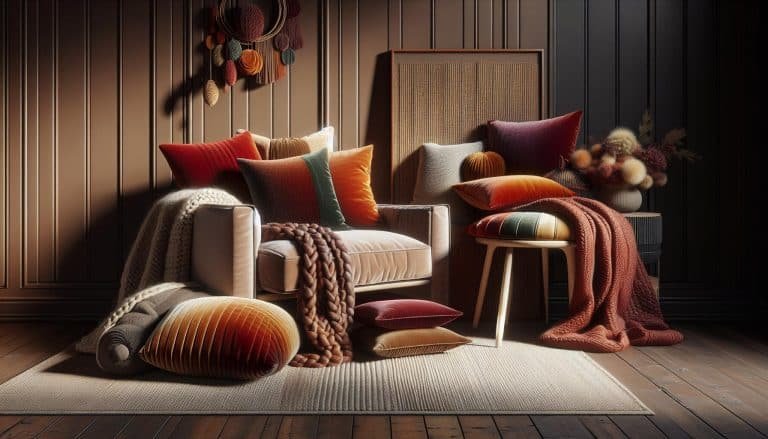
Selecting the right color involves understanding the psychological impact colors can have on the mood of a room. For instance, light and airy colors such as soft blues and greens can evoke a sense of calmness, while vibrant shades like red and orange might introduce energy and dynamism. For those looking to make a bold statement, curtains with standout patterns or contrasting colors can anchor the room’s decor, drawing the eye and adding depth to the space.
Texture also adds a layer of complexity and warmth to a room. Velvet or silk curtains can imbue a touch of elegance and sophistication, while linen or sheer fabrics offer a light, breezy feel that’s perfect for casual or coastal themes.
Moreover, the decision to go for solid colors versus patterns can significantly influence the room’s perception. Solid colors often lend a minimalist, clean look, whereas patterns, whether geometric, floral, or abstract, introduce character and focal points. Websites such as Elle Decor and Better Homes & Gardens offer a plethora of inspirations for mixing and matching colors and patterns to elevate a space’s visual appeal.
Incorporating these elements allows homeowners to personalize their space effectively. It’s about creating a cohesive look that blends well with the furniture, wall color, and accessories. The key lies in striking the right balance – too much uniformity can lead to a bland look, while excessive contrast can overwhelm the senses. Experimentation and adjustments are part of the journey to achieving a harmonious and personalized space.
Conclusion
Choosing the right curtains and drapes goes beyond mere decoration; it’s about creating a space that feels uniquely yours. With the guidance provided, you’re now equipped to select window treatments that not only enhance the ambiance but also reflect your personal style. Whether you lean towards calming blues or vibrant reds, the key is to find a balance that speaks to you. Remember, experimenting with textures and patterns can transform your space into a harmonious haven. Let your creativity flow and your home will not only look good but feel good too.
Frequently Asked Questions
How do colors in curtains influence room ambiance?
Colors in curtains can significantly affect the room’s ambiance, with certain colors like calming blues creating a relaxing atmosphere, while vibrant reds can add energy and excitement. Choosing the right color can enhance the mood and style of a room.
Can the texture of curtains add to room decor?
Yes, the texture of curtains plays a crucial role in room decor. Materials like velvet add a touch of elegance and luxury, whereas linen can impart a light and airy feel, contributing to the overall aesthetic and texture of the room.
Why is personalizing your room important?
Personalizing your room is important as it reflects your personal style and preferences, creating a space that feels comfortable and inviting to you. It allows the room to resonate with your individuality, making it a more enjoyable and cohesive living space.
How do patterns in curtains affect a room’s look?
Patterns in curtains can add character and depth to a room, making it appear more dynamic and interesting. Whether opting for bold, geometric patterns or soft, floral designs, they can help to inject personality and break the monotony of solid colors.
Where can I find inspiration for mixing colors and patterns in curtains?
Websites like Elle Decor and Better Homes & Gardens are excellent sources for finding inspiration on how to mix colors and patterns in curtains effectively. These sites offer a wealth of ideas and tips on achieving a harmonious and engaging look.
What is the psychological impact of curtain colors?
The psychological impact of curtain colors involves their ability to influence mood and emotions. For instance, blue hues might evoke calmness, while red can stimulate feelings of passion and energy, impacting the room’s psychological atmosphere.
How do I choose the right curtains for a minimalist look?
For a minimalist look, opt for curtains in solid colors with simple, understated designs. Neutral shades like white, beige, or grey can complement a minimalist aesthetic, offering a clean and refined appearance without overwhelming the space.