
90 Wonderful Things That start with W

The Wonders of Words: Exploring the World of W
The English language is a vast and varied landscape, filled with words that convey a multitude of meanings, emotions, and concepts. Among the myriad of letters that construct our communication, the letter “W” stands out with its distinctive shape and sound.
Note: This post may contain affiliate links, which means if you buy from my link I might make a small commission. This does not affect the price you pay. See the full affiliate disclosure here.
From “wonder” to “wisdom,” words that begin with “W” often carry a sense of curiosity and depth.
In this exploration, we will dive into the fascinating world of “W” words, uncovering the richness and diversity they bring to our language.

Here’s a list of 90 words that start with the letter “W”:
- Wall
- Water
- Wind
- Watch
- Wish
- Walk
- Winter
- Warm
- Wave
- Write
- Word
- World
- Wonder
- Work
- Wealth
- Wild
- Whisper
- Window
- Wheat
- Whale
- Wolf
- Wisdom
- Wing
- Waffle
- Wagon
- Worry
- Widen
- Weird
- Weapon
- Wet
- Whistle
- Waste
- Willow
- Wallet
- Weak
- Wound
- Workshop
- Whisk
- Wrinkle
- Wreck
- Whisker
- Wander
- Wiggle
- Wipe
- Weld
- Wrath
- Weave
- Weight
- Whirlpool
- Whoop
- Wrist
- Whine
- Wrangle
- Wager
- Wedge
- Wombat
- Wrench
- Wharf
- Walnut
- Wilderness
- Workbench
- Wallpaper
- Warranty
- Wealthy
- Wholesome
- Whirlwind
- Widespread
- Worrisome
- Wrestle
- Whimsy
- Wondrous
- Wrapping
- Wheelchair
- Warehouse
- Workforce
- Watershed
- Watchdog
- Walkway
- Woodwork
- Whopper
- Whiteboard
- Welcoming
- Warning
- Withhold
- Woodpecker
- Warble
- Woodwind
- Windmill
- Widescreen
- Waterfall
1. Wall:
Walls are essential architectural features that provide structure and support to buildings.
They can be made of various materials, including brick, stone, or wood, and serve both functional and aesthetic purposes.
In addition to their practical uses, walls can also symbolize barriers or divisions, both physical and metaphorical.
2. Water:
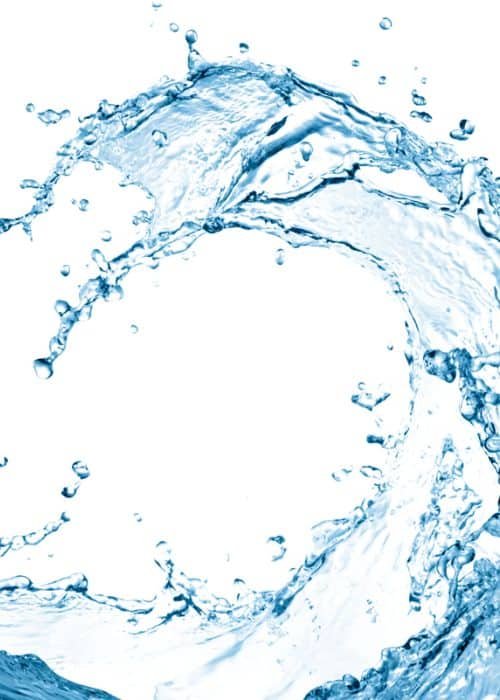
Water is a vital resource that sustains life on Earth.
It covers approximately 71% of the planet’s surface and is essential for drinking, agriculture, and sanitation.
Water also plays a crucial role in weather patterns and is a habitat for countless species of plants and animals.
3. Wind:
Wind is the movement of air caused by the uneven heating of the Earth’s surface by the sun.
It is a powerful force of nature that can range from a gentle breeze to a destructive hurricane.
Wind energy is also harnessed as a renewable source of power through wind turbines.
4. Watch:

A watch is a timekeeping device worn on the wrist, designed to keep accurate time.
It comes in various styles and types, including analog, digital, and smartwatches, each serving different functions.
Watches are not only practical tools for managing time but also fashion accessories that reflect personal style.
5. Wish:
A wish is a hope or desire for something to happen. It often carries a sense of longing or aspiration, whether it’s for personal achievements, happiness, or well-being.
Wishing is a universal human experience, often expressed during special occasions like birthdays or when making a wish upon a star.
6. Walk:
Walking is a simple yet effective form of exercise that promotes physical and mental health.
It can be a leisurely activity or a means of transportation, offering an opportunity to explore surroundings and enjoy nature.
Regular walking has been shown to improve cardiovascular health and boost mood.
7. Winter:
Winter is the coldest season of the year, characterized by shorter days, longer nights, and often snow or ice in many regions.
It is a time when many animals hibernate, and people celebrate holidays like Christmas and New Year’s.
Despite the cold, winter can be a season of beauty, with landscapes transformed by snow and frost.
8. Warm:
Warmth is the sensation of moderate heat, often associated with comfort and coziness.
It can refer to physical warmth from a heater, blanket, or the sun, as well as the emotional warmth of kindness and affection.
A warm environment can make a place feel inviting and homely.
9. Wave:
A wave is a moving ridge or swell of water, typically caused by the wind blowing across the surface of the sea, lake, or river.
Waves are not only a fascinating natural phenomenon but also a key element in oceanography and coastal dynamics.
In addition to water waves, the term can also refer to a gesture of greeting or farewell.
10. Write:
Writing is the process of using symbols, typically letters, to communicate thoughts and ideas.
It is a fundamental skill used in various forms, from books and articles to emails and texts.
Writing allows for the preservation of information, expression of creativity, and sharing of knowledge across time and space.
11. Word:
A word is a basic unit of language that conveys meaning.
Words are the building blocks of communication, allowing people to express ideas, emotions, and information.
The choice of words can significantly impact the clarity and tone of communication, making language a powerful tool.
12. World: The world refers to the planet Earth and all its inhabitants and environments.
It encompasses a vast diversity of cultures, ecosystems, and experiences.
The world is a place of continuous change and exploration, where humans interact with nature and each other in complex ways.
13. Wonder:
Wonder is a feeling of amazement and admiration, often inspired by something beautiful or unexpected.
It is a response to the mysteries and marvels of the world, from natural phenomena to human achievements.
Wonder can also drive curiosity and the pursuit of knowledge and discovery.
14. Work: Work is the effort put into achieving a goal or completing a task, often in exchange for compensation.
It can take many forms, from physical labor to intellectual pursuits, and is a fundamental aspect of human life.
Work provides a sense of purpose and contributes to personal and societal development.
15. Wealth:

Wealth refers to the abundance of valuable resources or material possessions.
It can include money, property, investments, and other assets that contribute to one’s financial stability.
Wealth can also encompass non-material aspects, such as knowledge and relationships, that enrich a person’s life.
16. Wild:
The term “wild” describes something that is untamed, natural, or uncontrolled.
It can refer to animals living in their natural habitats, untouched landscapes, or even wild behavior that defies social norms.
The wild represents freedom and the raw beauty of nature, often invoking a sense of adventure and exploration.
17. Whisper:
A whisper is a soft, hushed voice used to communicate quietly.
It is often used to share secrets or speak discreetly in situations where loud talking is inappropriate.
Whispering can create an intimate or secretive atmosphere, adding a layer of mystery or urgency to the communication.
18. Window:
A window is an opening in a wall or roof that allows light and air to enter a space.
Windows are often made of glass and can be opened or closed to regulate ventilation.
They offer a view of the outside world and play a crucial role in the design and aesthetics of a building.
19. Wheat:
Wheat is a cereal grain that is a staple food for many cultures around the world.
It is used to make a variety of products, including bread, pasta, and pastries.
Wheat is also an important agricultural crop, with different varieties grown for different uses, such as hard wheat for bread and soft wheat for cakes.
20. Whale:
Whales are large marine mammals known for their size and intelligence.
They are found in oceans worldwide and are divided into two main groups: baleen whales and toothed whales.
Whales play a vital role in marine ecosystems and are often studied for their complex behaviors and communication.
21. Wolf:
The wolf is a wild carnivorous mammal and a key predator in many ecosystems.
It is known for its pack behavior and complex social structures.
Wolves have been both revered and feared throughout history, often symbolizing wilderness and the untamed aspects of nature.
22. Wisdom:
Wisdom is the ability to make sound decisions and judgments based on knowledge, experience, and insight.
It goes beyond mere knowledge, encompassing an understanding of life and human nature.
Wisdom is often associated with age and experience, but it can also be cultivated through learning and reflection.
23. Wing:
A wing is a limb or appendage that allows an animal, such as a bird, insect, or bat, to fly.
Wings are also used metaphorically to refer to support or protection, as in “taking someone under your wing.” In architecture, wings can refer to the extended parts of a building.
24. Waffle:
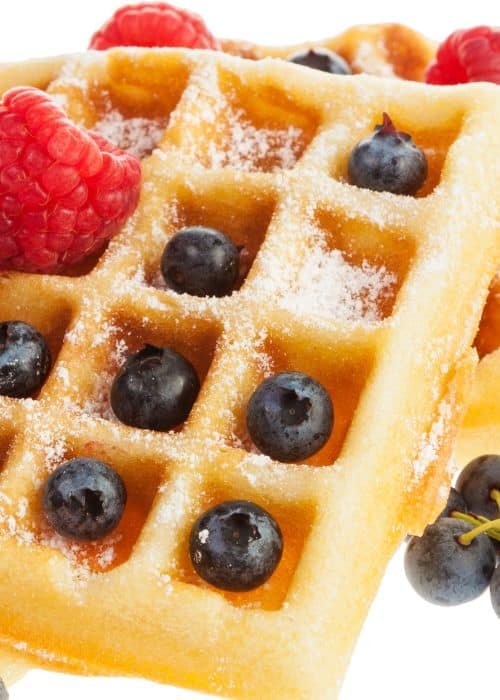
A waffle is a type of breakfast food made from batter cooked between two patterned plates, giving it a distinctive grid-like texture.
Waffles can be sweet or savory and are often served with toppings like syrup, fruit, or whipped cream. They are popular in many cultures and come in various styles.
25. Wagon:
A wagon is a four-wheeled vehicle used for transporting goods or people. It can be pulled by animals, such as horses or oxen, or by a motorized vehicle.
Wagons have been used throughout history for trade, migration, and exploration, and they remain a symbol of pioneering spirit and adventure.
26. Worry:
Worry is a feeling of concern or anxiety about potential problems or future events. It is a common human emotion that can range from mild unease to intense fear.
While some worry can motivate problem-solving, excessive worry can lead to stress and negatively impact mental and physical health.
27. Widen:
To widen means to make something broader or more expansive.
It can refer to physical spaces, such as widening a road, or abstract concepts, such as widening one’s perspective.
Widening can also imply inclusion and growth, opening up new opportunities and possibilities.
28. Weird:
The word “weird” describes something unusual, strange, or out of the ordinary.
It can have both positive and negative connotations, depending on the context.
While “weird” can be used to describe things that are unsettling or odd, it can also celebrate uniqueness and creativity.
29. Weapon:
A weapon is an instrument used to inflict harm or damage, typically in combat or self-defense.
Weapons come in many forms, from simple tools like knives and clubs to advanced firearms and explosives.
They have played a significant role in human history, shaping conflicts and societies.
30. Wet:
Wet describes something covered or saturated with water or another liquid.
It can refer to the weather, such as rain, or to objects that have been submerged or sprinkled.
The state of being wet can affect various activities and conditions, from driving to sports, making it an important consideration in daily life.
31. Whistle:
A whistle is a high-pitched sound produced by blowing air through a small opening, often used as a signal or to attract attention.
Whistles can be made by humans, animals, or devices, and are used in various contexts, from sports and music to safety and work environments.
32. Waste:
Waste refers to unwanted or discarded materials, often resulting from human activity.
It includes everything from household trash to industrial by-products.
Proper waste management is crucial for environmental sustainability, as it involves reducing, reusing, and recycling materials to minimize the impact on the planet.
33. Willow:
The willow is a type of tree known for its slender, flexible branches and graceful appearance.
Willows are often found near water and are associated with melancholy and resilience.
The wood of the willow tree is used in various crafts and products, and its bark has been traditionally used for medicinal purposes.
34. Wallet:
A wallet is a small, portable case used for carrying personal items such as money, identification, and credit cards.
Wallets come in various styles and materials, from simple fabric designs to luxurious leather.
They are essential accessories for organizing and safeguarding important belongings.
35. Weak:
The term “weak” describes a lack of strength, power, or resilience.
It can refer to physical capabilities, emotional states, or other qualities.
Being weak can be temporary or chronic and may require support or intervention to overcome.
36. Wound:
A wound is an injury to the body’s tissue, typically caused by cuts, blows, or other forms of trauma.
Wounds can be superficial or deep and may require medical attention to prevent infection and promote healing.
In addition to physical wounds, the term can also refer to emotional or psychological injuries.
37. Workshop:
A workshop is a space or event where people gather to learn, create, or work on projects.
It can be a physical location equipped with tools and materials or a training session focused on developing skills.
Workshops provide opportunities for hands-on experience, collaboration, and skill-building.
38. Whisk:
A whisk is a kitchen utensil used for mixing, beating, or whipping ingredients.
It typically consists of a handle with several wire loops that help incorporate air into mixtures, such as eggs or cream.
Whisks are essential tools in cooking and baking, helping achieve smooth and fluffy textures.
39. Wrinkle:
A wrinkle is a small fold or crease in a surface, often seen on fabric, paper, or skin.
Wrinkles on the skin are a natural part of aging and can be influenced by factors such as sun exposure, hydration, and genetics.
In textiles, wrinkles can affect the appearance and feel of clothing and other items.
40. Wreck:
A wreck refers to the remains of something that has been badly damaged or destroyed, such as a shipwreck or car wreck.
It can also describe the state of being physically or emotionally ruined.
Wrecks often have historical or cultural significance and can become sites of exploration or remembrance.
41. Whisker:
Whiskers are long, sensitive hairs found on the faces of certain animals, such as cats, dogs, and rodents.
They help animals sense their surroundings, detect movement, and navigate in the dark.
Whiskers are important sensory tools that provide crucial information about the environment.
42. Wander:
To wander means to move or travel aimlessly or without a fixed direction.
It can be a physical activity, like exploring new places, or a metaphorical one, such as letting the mind wander.
Wandering can lead to unexpected discoveries and adventures, providing a sense of freedom and curiosity.
43. Wiggle:
Wiggle describes a quick, small movement from side to side or up and down.
It can refer to the movement of a body part, such as wiggling fingers or toes, or an entire body.
Wiggling can be playful, expressive, or a way to release energy.
44. Wipe:
To wipe means to clean or dry a surface by rubbing it with a cloth, paper, or other absorbent material.
It is a common action in maintaining hygiene and cleanliness, whether wiping down counters, wiping away tears, or wiping a foggy mirror.
Wiping can also metaphorically refer to removing or erasing something, like a memory or mistake.
45. Weld:
Welding is the process of joining two materials, typically metals, by melting and fusing them together.
It is a crucial technique in construction, manufacturing, and repairs, creating strong and durable joints.
Welding requires skill and precision, and there are various methods, including arc welding, MIG welding, and TIG welding.
46. Wrath:
Wrath is intense anger or rage, often accompanied by a desire for vengeance.
It is a powerful emotion that can lead to destructive behavior and conflict.
In literature and religion, wrath is often depicted as a negative force that can consume individuals and lead to their downfall.
47. Weave:
Weaving is the process of interlacing threads or materials to create fabric or other products.
It is an ancient craft with a rich history, used to make textiles, baskets, and more.
Weaving can also refer to creating complex patterns or narratives, as in weaving a story.
48. Weight:
Weight is a measure of the force exerted by gravity on an object, commonly measured in units like pounds or kilograms.
It is a key concept in physics and everyday life, influencing everything from transportation to health.
In a metaphorical sense, weight can refer to the burden or importance of something.
49. Whirlpool:
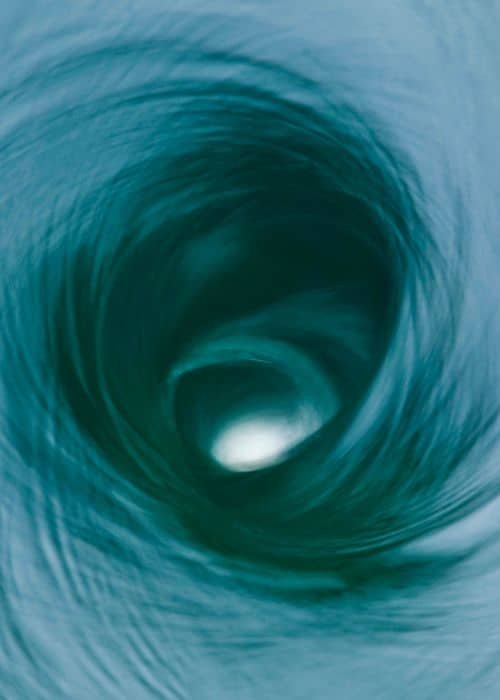
A whirlpool is a rapidly rotating mass of water that forms a circular current, often creating a vortex.
It can occur naturally in bodies of water or be artificially created.
Whirlpools can be dangerous for swimmers and boats but also hold a sense of fascination due to their power and mystery.
50. Whoop:
A whoop is a loud, enthusiastic shout or cry, often expressing joy, excitement, or triumph.
It can be a spontaneous reaction to good news, a sporting event, or a celebration.
The sound of a whoop is distinctive and can be contagious, spreading enthusiasm among a group.
51. Wrist:
The wrist is the joint connecting the hand to the forearm, allowing for a wide range of motion.
It plays a crucial role in the functionality of the hand, enabling movements like grasping, twisting, and lifting.
The wrist is also a common site for wearing accessories like watches and bracelets.
52. Whine:
A whine is a high-pitched, complaining sound, often expressing discomfort or dissatisfaction.
It can be made by people, animals, or even mechanical devices.
While whining can sometimes be seen as annoying, it is also a way to communicate needs or distress.
53. Wrangle:
To wrangle means to engage in a dispute or argument, often involving negotiation or persuasion.
It can also refer to the skill of managing or controlling animals, especially in the context of livestock.
Wrangling requires tact, patience, and sometimes a bit of cunning.
54. Wager:
A wager is a bet or gamble placed on the outcome of an event, with money or something else of value at stake.
It is a common practice in sports, games, and other competitive situations.
Wagering can be a form of entertainment, but it also involves risk and uncertainty.
55. Wedge:
A wedge is a piece of material with a thick end that tapers to a thin edge, used to split or lift objects.
It is a simple but effective tool used in various applications, from construction to cooking.
Wedges can also refer to footwear with a raised heel that extends under the sole.
56. Wombat:
A wombat is a burrowing marsupial native to Australia, known for its sturdy build and short legs.
Wombats are herbivores, primarily feeding on grasses and roots.
They are unique among marsupials for their backward-facing pouches, which help protect their young while digging.
57. Wrench:
A wrench is a hand tool used to grip and turn objects, such as nuts and bolts.
It comes in various types, including adjustable, socket, and Allen wrenches, each designed for specific tasks.
Wrenches are essential tools in mechanics, plumbing, and construction, allowing for precise tightening and loosening.
58. Wharf:
A wharf is a platform built along the shore of a harbor or river where ships can dock to load and unload cargo or passengers.
It is an essential part of port infrastructure, facilitating trade and transportation.
Wharfs can vary in size and design, from simple wooden structures to large, concrete piers.
59. Walnut:

A walnut is a type of nut produced by trees of the genus Juglans.
It is a popular food, known for its rich flavor and high nutritional value, particularly in omega-3 fatty acids.
Walnuts are used in various culinary dishes, from salads to desserts, and are also valued for their oil and wood.
60. Wilderness:
Wilderness refers to an area of land that is largely undisturbed by human activity, retaining its natural state.
It is often characterized by rugged landscapes, diverse ecosystems, and a lack of infrastructure.
Wilderness areas are important for conservation, providing habitats for wildlife and opportunities for outdoor recreation.
61. Workbench:
A workbench is a sturdy table or surface used for working on projects, often equipped with tools and storage.
It is commonly found in workshops, garages, and laboratories, providing a space for tasks like assembling, repairing, or crafting.
A well-organized workbench can enhance productivity and safety.
62. Wallpaper:
Wallpaper is a decorative material used to cover and embellish the interior walls of buildings.
It comes in various patterns, colors, and textures, allowing for customization of living spaces.
Wallpaper can transform a room’s ambiance, adding style, warmth, or vibrancy.
63. Warranty:
A warranty is a guarantee provided by a manufacturer or seller that a product will meet certain quality and performance standards.
It often includes a promise to repair or replace the product if it fails within a specified period.
Warranties provide consumers with assurance and protection against defects or malfunctions.
64. Wealthy:
Wealthy describes someone who possesses a significant amount of wealth or assets.
It often implies financial stability and the ability to afford luxuries or investments.
While wealth is commonly associated with money, it can also include intangible assets like knowledge, health, and relationships.
65. Wholesome:
Wholesome refers to something that is good for the body, mind, or spirit.
It often describes food, entertainment, or activities that are healthy, positive, and beneficial.
Wholesome content promotes well-being, family values, and a sense of goodness.
66. Whirlwind:
A whirlwind is a rapidly rotating column of air that can occur during severe weather conditions, such as tornadoes or dust devils.
The term is also used metaphorically to describe a fast-paced, chaotic situation or experience.
Whirlwinds can be both destructive and awe-inspiring, depending on their intensity and context.
67. Widespread:
The term “widespread” refers to something that is widely distributed or common across a large area or among a large group of people.
It can describe phenomena like diseases, trends, or practices.
Widespread issues often require coordinated efforts to address or manage.
68. Worrisome:
Worrisome describes something that causes concern or anxiety.
It can refer to situations, behaviors, or information that suggest potential problems or dangers.
Being worrisome is a subjective experience, varying from person to person based on their perceptions and circumstances.
69. Wrestle:
To wrestle means to engage in a physical struggle or fight, often as a sport or contest.
It can also describe the process of grappling with a difficult problem or decision.
Wrestling requires strength, strategy, and perseverance, both physically and metaphorically.
70. Whimsy:
Whimsy refers to a playful or fanciful quality that evokes a sense of wonder or delight.
It often involves imaginative or quirky elements, such as whimsical art, stories, or decorations.
Whimsy can bring joy and a sense of escape from the ordinary.
71. Wondrous:
Wondrous describes something that is astonishing or inspiring awe.
It is often used to describe natural phenomena, artistic creations, or experiences that evoke a sense of wonder and admiration.
Wondrous things can captivate the imagination and leave a lasting impression.
72. Wrapping:
Wrapping refers to the act of covering or enclosing something, often for protection or decoration.
It is commonly associated with gift wrapping, where decorative paper is used to conceal presents.
Wrapping can also refer to packaging materials, such as plastic wrap or fabric, used to protect items during storage or transport.
73. Wheelchair:
A wheelchair is a chair mounted on wheels, designed to assist individuals with mobility impairments.
It allows users to move around independently or with the help of a caregiver.
Wheelchairs come in various types, including manual and electric, and are essential for enhancing the quality of life for many people.
74. Warehouse:
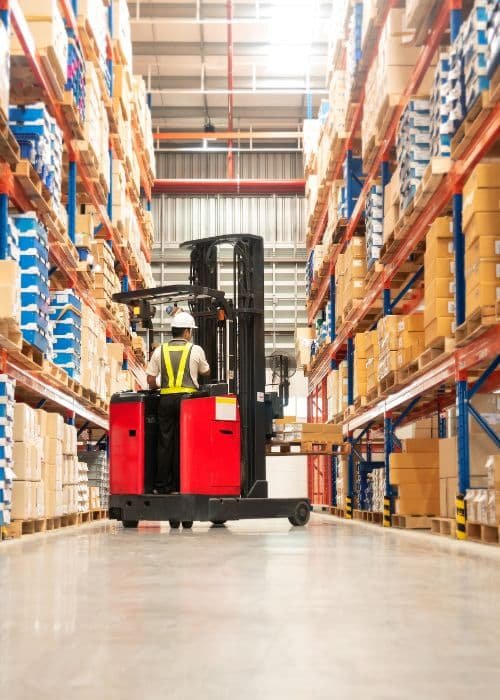
A warehouse is a large building used for storing goods and materials.
It plays a crucial role in supply chain management, providing a space for inventory before distribution to retailers or customers.
Warehouses can range from simple storage facilities to complex logistics hubs with advanced technology.
75. Workforce:
The workforce refers to the collective group of individuals engaged in employment or available for work.
It encompasses a wide range of occupations, industries, and skill levels.
The composition and size of the workforce can significantly impact a country’s economy and productivity.
76. Watershed:
A watershed is an area of land that drains all the streams and rainfall into a common outlet, such as a river or bay.
It is a crucial component of the hydrological cycle, influencing water quality, supply, and ecosystem health.
Watersheds are essential for managing water resources and environmental conservation.
77. Watchdog:
A watchdog is a person or organization that monitors and oversees the actions of others, often to ensure accountability and prevent misconduct.
In the context of media, a watchdog can refer to journalism that investigates and exposes wrongdoings.
Watchdogs play a vital role in maintaining transparency and integrity in various sectors.
78. Walkway:
A walkway is a path or passage designed for pedestrians to walk along.
It can be found in various settings, including urban areas, parks, and buildings.
Walkways provide safe and convenient routes for foot traffic, often enhancing the accessibility and aesthetic appeal of an area.
79. Woodwork:
Woodwork refers to the craft or trade of making things from wood, such as furniture, cabinetry, and decorative items.
It requires skills in cutting, shaping, and joining wood, often involving tools like saws, chisels, and planes.
Woodwork can range from simple DIY projects to intricate designs and fine carpentry.
80. Whopper:
A whopper is something of large size or importance, often used to describe a big lie or an impressive achievement.
The term is also associated with a popular hamburger offered by the fast-food chain Burger King.
Whoppers can refer to anything that stands out due to its magnitude or impact.
81. Whiteboard:
A whiteboard is a smooth, glossy surface used for writing or drawing, typically with dry-erase markers.
It is commonly used in educational and professional settings for presentations, teaching, and brainstorming.
Whiteboards are versatile tools that allow for easy erasing and updating of information.
83. Welcoming:
Welcoming describes a friendly and hospitable environment or attitude that makes others feel comfortable and accepted.
It can apply to places, such as homes or communities, as well as to behaviors, such as greeting guests warmly.
A welcoming atmosphere fosters inclusivity and positive interactions.
84. Warning:
A warning is an alert or cautionary message that advises against potential dangers or risks.
Warnings can come in various forms, including signs, announcements, or labels, and are intended to prevent accidents, injuries, or other negative outcomes.
Paying attention to warnings is crucial for safety and well-being.
85. Withhold:
To withhold means to keep something back or refuse to give it. It can refer to withholding information, money, or other resources.
Withholding can be done for various reasons, such as strategic considerations, legal obligations, or personal choice.
86. Woodpecker:
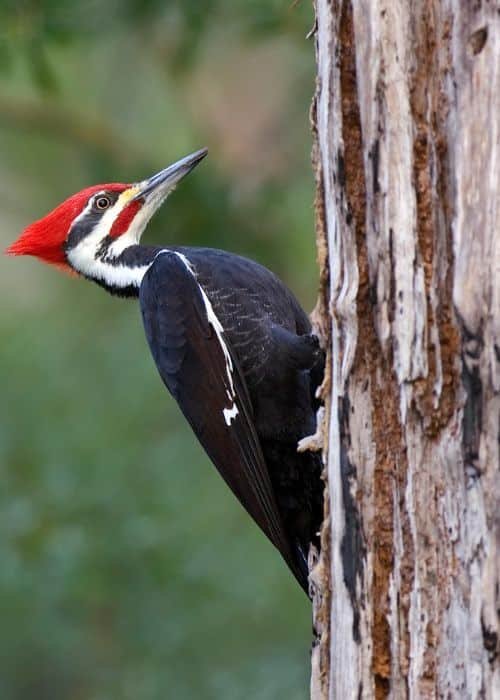
A woodpecker is a bird known for its distinctive behavior of pecking at wood to find insects, create nests, or communicate.
Woodpeckers have strong beaks and specialized skulls to withstand the impact of pecking.
They play a vital role in forest ecosystems by helping to control insect populations and create habitats for other species.
87. Warble:
To warble means to sing or utter in a trilling or quavering voice.
It is often used to describe the melodious and varied sounds made by birds.
Warbling can also refer to a style of singing that involves rapid changes in pitch or tone.
88. Woodwind:
Woodwind refers to a family of musical instruments that produce sound by blowing air through a reed or across an opening.
Examples include the flute, clarinet, oboe, and saxophone.
Woodwind instruments are known for their versatile range of tones and are commonly used in orchestras and bands.
89. Windmill:
A windmill is a structure that uses wind power to generate energy, typically by turning blades or sails.
Historically, windmills were used to grind grain or pump water, but modern wind turbines are a major source of renewable energy.
Windmills are iconic symbols of sustainable technology and rural landscapes.
90. Widescreen:
Widescreen refers to a format for displaying visual content with a wider aspect ratio than traditional screens.
It is commonly used in film, television, and computer monitors to provide a more immersive viewing experience.
Widescreen formats can enhance the visual impact of media, offering more detail and a broader field of view.
91. Waterfall:
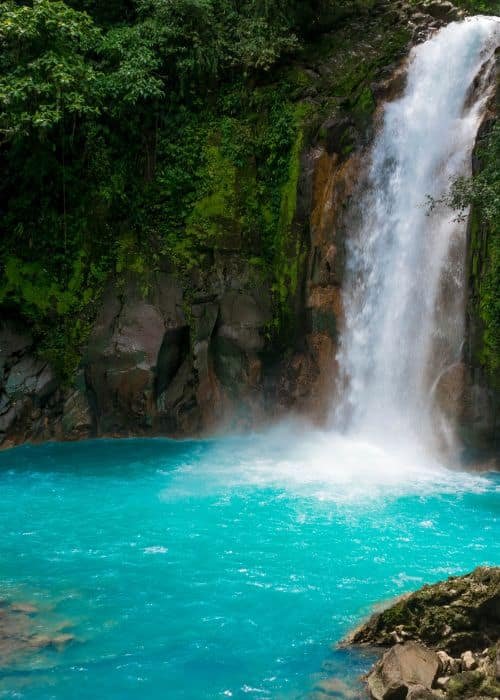
A waterfall is a natural feature where water flows over a vertical drop or series of drops in a stream or river.
Waterfalls are formed by erosion and are often breathtakingly beautiful, attracting tourists and nature enthusiasts.
They play a role in shaping landscapes and ecosystems, and their power can be harnessed for hydroelectric energy.
My Take on Things that Start with W
The journey through the world of words starting with “W” reveals the breadth and depth of our language.
These words not only enrich our vocabulary but also enhance our ability to express thoughts and emotions.
Whether we are wandering through the wonders of the natural world or delving into the wisdom of literature, “W” words play a crucial role in our communication.
As we continue to explore and appreciate the nuances of language, let us not forget the wonder that each letter, especially “W,” brings to our lives.
More things that start with:
A B C D E F G H I J
K L M N O P Q
R S T U V W
X Y Z