

97 Splendid Things That Start with S

The Splendid Spectrum of S: A Collection of 97 Things That Start with the Letter S
The letter ‘S’ is a symbol of simplicity, sophistication, and splendor. From the serene beauty of the sea to the scientific wonders of space, the spectrum of words starting with ‘S’ encompasses a wide array of concepts, objects, and phenomena.
Note: This post may contain affiliate links, which means if you buy from my link I might make a small commission. This does not affect the price you pay. See the full affiliate disclosure here.
In this list, we explore 97 different things that begin with the letter ‘S,’ celebrating the diversity and richness of our language and world.
Whether it’s something as common as socks or as extraordinary as a starship, each entry offers a glimpse into the fascinating variety of our surroundings.

Here is a list of 97 things that start with the letter ‘S’:
- Sun
- Sand
- Sea
- Snow
- Stone
- Shell
- Star
- Snake
- Sparrow
- Shark
- Swimmer
- Skateboard
- Suitcase
- Scarf
- Sweater
- Shoes
- Socks
- Sandals
- Slippers
- Sunglasses
- Soap
- Shampoo
- Salad
- Spaghetti
- Sushi
- Sandwich
- Soup
- Steak
- Strawberries
- Spinach
- Salt
- Sugar
- Sauce
- Spoon
- Spatula
- Stove
- Sink
- Sofa
- Shelf
- Shower
- Soap
- Sheets
- Socks
- Shorts
- Skirt
- Suit
- Scissors
- Stapler
- Sketchbook
- Sketch
- Sculpture
- School
- Student
- Scientist
- Secretary
- Surgeon
- Soldier
- Sailor
- Singer
- Song
- Symphony
- Saxophone
- Stage
- Script
- Screen
- Studio
- Stencil
- Spray
- Stadium
- Sports
- Soccer
- Swimming
- Skiing
- Sailing
- Surfing
- Skateboarding
- Snowboarding
- Softball
- Strategy
- Solution
- Science
- Space
- Satellite
- Starship
- Submarine
- Seaplane
- Shuttle
- Street
- Sidewalk
- Station
- Signal
- Sky
- Storm
- Sunset
- Sunrise
- Summit
- Stream
1. Sun
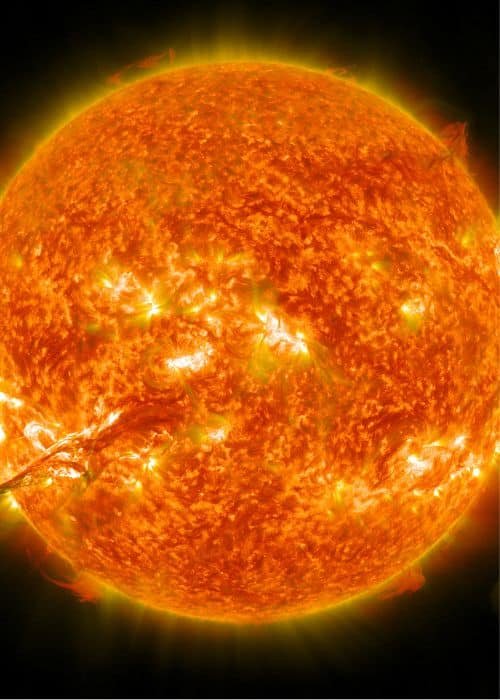
The sun is the central star of our solar system and a vital source of energy for all life on Earth.
It provides light and warmth, enabling plants to photosynthesize and produce oxygen.
The sun’s energy influences weather patterns and climate, playing a crucial role in sustaining our planet’s ecosystems.
2. Sand
Sand is a granular material composed of finely divided rock and mineral particles.
Found primarily on beaches and deserts, it is formed through the weathering and erosion of rocks over millions of years.
Sand is widely used in construction, manufacturing, and even in recreational activities like beach volleyball and sandcastle building.
3. Sea
The sea refers to large bodies of saltwater that cover a significant portion of the Earth’s surface.
It is home to a vast array of marine life and ecosystems, playing a critical role in global climate regulation and the water cycle.
The sea also provides resources like fish, minerals, and transportation routes for global trade.
4. Snow
Snow is a form of precipitation consisting of ice crystals that form in the atmosphere and fall to the ground.
It creates picturesque winter landscapes and supports activities such as skiing and snowboarding.
Snow also plays a crucial role in maintaining freshwater supplies, as it melts and feeds rivers and reservoirs.
5. Stone
Stone is a naturally occurring solid aggregate of minerals or mineraloid matter.
Used extensively in construction and sculpture, stones come in various forms, including granite, marble, and limestone.
Stones have been utilized throughout history for building structures, monuments, and tools.
6. Shell
A shell is the hard, protective outer layer created by an animal that lives in the sea, such as mollusks and crustaceans.
Shells come in a variety of shapes, sizes, and colors, often collected for their beauty.
They serve as both a defense mechanism for the animal and a means of locomotion and burrowing.
7. Star

A star is a luminous ball of gas, primarily hydrogen and helium, held together by its own gravity and undergoing nuclear fusion.
Stars are the fundamental building blocks of galaxies, including our Milky Way.
They produce light and heat, influencing the formation of planets and other celestial bodies in their vicinity.
8. Snake
A snake is a legless, elongated reptile belonging to the suborder Serpentes.
Snakes are found in a variety of habitats, from deserts to forests, and play an essential role in controlling pest populations.
Despite their often fearsome reputation, many snake species are non-venomous and pose little threat to humans.
9. Sparrow
The sparrow is a small, plump bird commonly found in urban and rural areas worldwide.
Known for their chirping and social behavior, sparrows are often seen in flocks.
They play a crucial role in the ecosystem by helping control insect populations and spreading seeds.
10. Shark
Sharks are a group of elasmobranch fish characterized by their cartilaginous skeleton, gill slits, and sharp teeth.
Found in oceans worldwide, sharks are apex predators and play a critical role in maintaining marine ecosystem balance.
Despite their fearsome reputation, many shark species are endangered due to overfishing and habitat loss.
11. Swimmer
A swimmer is a person who engages in the sport or activity of swimming, either for recreation, fitness, or competition.
Swimming is an excellent full-body workout, improving cardiovascular health and muscle strength.
It is also a vital life skill that enhances safety around water.
12. Skateboard
A skateboard is a small, narrow board with wheels, used for riding and performing tricks.
Skateboarding originated in the 1950s and has evolved into a popular sport and recreational activity.
It requires balance, agility, and coordination, offering a unique form of self-expression and creativity.
13. Suitcase
A suitcase is a portable, rectangular container with a handle, used for carrying clothes and personal items during travel.
Modern suitcases often feature wheels and retractable handles for easy transportation.
They come in various sizes and materials, catering to different travel needs and preferences.
14. Scarf
A scarf is a piece of fabric worn around the neck or head for warmth, sun protection, or fashion.
Scarves come in various materials, such as wool, silk, and cotton, and can be worn in different styles.
They are both functional and stylish, adding a touch of elegance to any outfit.
15. Sweater
A sweater is a knitted garment worn on the upper body for warmth, typically with long sleeves.
Sweaters are made from materials like wool, cotton, and synthetic fibers, and come in various styles, such as pullovers and cardigans.
They are a staple in cold-weather wardrobes, providing comfort and insulation.
16. Shoes
Shoes are footwear designed to protect and comfort the human foot while walking, running, or performing various activities.
They come in numerous styles, including sneakers, boots, and sandals, each suited for different occasions and functions.
Shoes are essential for foot health, providing support, and reducing the risk of injury.
17. Socks
Socks are pieces of clothing worn on the feet, typically made from cotton, wool, or synthetic fibers.
They provide comfort, absorb sweat, and protect the feet from friction and blisters.
Socks come in various lengths, colors, and patterns, serving both practical and aesthetic purposes.
18. Sandals
Sandals are open-toe footwear with straps securing the foot to a sole, commonly worn in warm weather.
They provide breathability and comfort, making them ideal for casual outings and beach activities.
Sandals come in various designs, from simple flip-flops to more elaborate styles with multiple straps and embellishments.
19. Slippers
Slippers are soft, comfortable indoor footwear designed for relaxation and warmth.
Typically made from materials like wool, cotton, or synthetic fabrics, slippers provide cushioning and protect feet from cold floors.
They come in various styles, including slip-ons, moccasins, and booties, catering to different preferences.
20. Sunglasses

Sunglasses are eyewear designed to protect the eyes from harmful ultraviolet (UV) rays and reduce glare from bright sunlight.
They come in various styles and lens colors, offering both functional and fashionable benefits.
Sunglasses are essential for eye health, preventing conditions like cataracts and photokeratitis.
21. Soap
Soap is a cleansing agent made from the reaction of fats or oils with an alkali, used for washing and bathing.
It removes dirt, grease, and bacteria from the skin and other surfaces, promoting hygiene and health.
Soap comes in various forms, including bars, liquids, and powders, each suited for different cleaning purposes.
22. Shampoo
Shampoo is a hair care product used to clean the scalp and hair by removing dirt, oil, and other impurities.
It typically contains surfactants, conditioners, and fragrances, leaving the hair clean, soft, and manageable.
Shampoos are formulated for different hair types and needs, such as moisturizing, volumizing, and dandruff control.
23. Salad
A salad is a dish consisting of mixed raw or cooked vegetables, fruits, proteins, and various toppings, often served with a dressing.
Salads are versatile, and healthy, and can be customized to suit different tastes and dietary preferences.
They are a popular choice for a light meal or side dish, offering a refreshing and nutritious option.
24. Spaghetti
Spaghetti is a long, thin, cylindrical pasta originating from Italy, commonly served with various sauces.
It is a staple in Italian cuisine and is enjoyed worldwide in dishes like spaghetti Bolognese and carbonara.
Spaghetti is made from durum wheat semolina and can be paired with a wide range of ingredients, making it a versatile and beloved food.
25. Sushi
Sushi is a Japanese dish consisting of vinegared rice combined with ingredients such as raw fish, vegetables, and seaweed.
It comes in various forms, including nigiri, maki, and sashimi, each offering a unique flavor and texture experience.
Sushi is appreciated for its delicate balance of flavors, freshness, and artistic presentation.
26. Sandwich
A sandwich is a food item consisting of two or more slices of bread with fillings such as meat, cheese, vegetables, and spreads in between.
It is a convenient and versatile meal option, easily customizable to suit different tastes and dietary needs.
Sandwiches are popular for their portability and simplicity, making them a favorite for lunches and picnics.
27. Soup
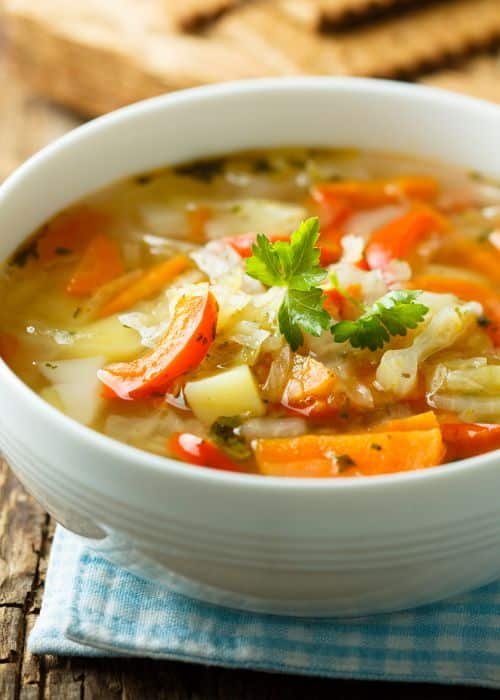
Soup is a liquid food typically made by boiling ingredients such as meat, vegetables, and grains in water or broth.
It can be served hot or cold and comes in various types, including clear, cream, and chunky soups.
Soup is nourishing, comforting, and versatile, offering endless possibilities for flavors and ingredients.
28. Steak
Steak is a cut of meat, usually beef, that is typically grilled, broiled, or pan-fried. Known for its rich flavor and tenderness, steak is a popular choice for special occasions and fine dining.
It can be prepared in various ways, such as rare, medium, or well-done, and is often seasoned or marinated to enhance its taste.
29. Strawberries
Strawberries are a sweet, red fruit known for their juicy texture and fragrant aroma.
They are rich in vitamins, antioxidants, and fiber, making them a healthy and delicious treat.
Strawberries can be enjoyed fresh, in desserts, or as part of salads and smoothies, offering a burst of flavor and nutrition.
30. Spinach
Spinach is a leafy green vegetable packed with vitamins, minerals, and antioxidants.
It is versatile in the kitchen and used in salads, soups, smoothies, and cooked dishes.
Spinach promotes health by supporting the immune system, bone strength, and eye health, making it a valuable addition to a balanced diet.
31. Salt
Salt is a mineral composed primarily of sodium chloride, essential for human health and widely used in cooking.
It enhances the flavor of food and acts as a preservative, preventing spoilage.
Salt is also used in various industrial processes and has historical significance as a valuable trade commodity.
32. Sugar
Sugar is a sweet, crystalline substance derived from sugar cane or sugar beet, used primarily as a sweetener in foods and beverages.
It is a key ingredient in baking, confectionery, and many processed foods, providing energy and enhancing flavor.
While it adds sweetness and enjoyment, moderation is advised due to potential health impacts.
33. Sauce
The sauce is a liquid or semi-liquid condiment used to enhance the flavor and texture of food.
Sauces come in various types, including tomato, béchamel, soy, and hot sauce, each offering unique tastes and culinary applications.
They are integral to many dishes, adding depth, moisture, and complexity to meals.
34. Spoon
A spoon is a utensil consisting of a small, shallow bowl with a handle, used for eating, stirring, and serving food.
Spoons come in various sizes and shapes, such as teaspoons, tablespoons, and serving spoons, each designed for specific tasks.
They are essential tools in both cooking and dining, offering practicality and convenience.
35. Spatula
A spatula is a kitchen tool with a flat, flexible blade used for flipping, spreading, and scraping food.
It comes in different forms, such as metal, plastic, or silicone, and is often heat-resistant for use in cooking.
Spatulas are versatile and indispensable in the kitchen, aiding in tasks like turning pancakes or spreading frosting.
36. Stove
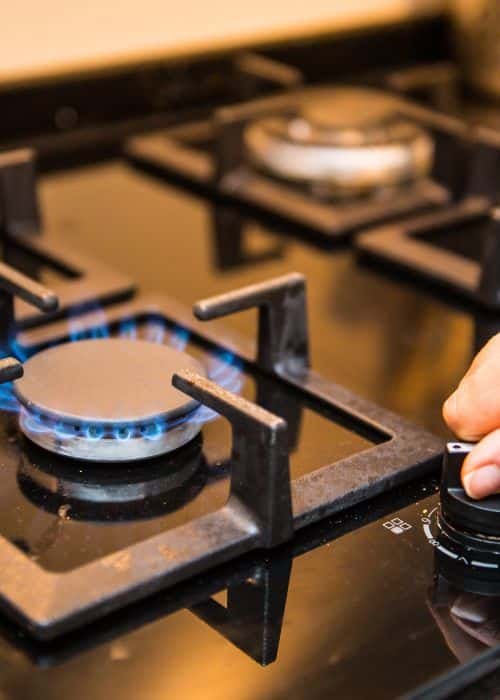
A stove is an appliance used for cooking food, typically powered by gas or electricity.
It features burners or heating elements and often includes an oven for baking and roasting.
Stoves are central to kitchen functionality, providing a reliable means of preparing a wide variety of dishes.
37. Sink
A sink is a basin used for washing hands, dishes, and other items, equipped with faucets for running water and a drain for wastewater.
Sinks are found in kitchens, bathrooms, and laundry rooms, offering convenience and hygiene.
They come in various materials, such as stainless steel, porcelain, and composite, each suited for different needs and aesthetics.
38. Sofa
A sofa is a large, upholstered seating furniture piece designed for comfort and relaxation, typically accommodating multiple people.
Sofas are central to living room arrangements, providing a space for socializing, lounging, and entertainment.
They come in various styles, sizes, and materials, catering to different tastes and interior designs.
39. Shelf
A shelf is a flat, horizontal surface used for storing and displaying items, typically mounted on a wall or part of a piece of furniture.
Shelves come in various materials, such as wood, metal, and glass, and are used in homes, offices, and retail spaces.
They help organize spaces and showcase decorative items, books, and more.
40. Shower
A shower is a bathing fixture that sprays water over the body, typically used for washing and refreshing oneself.
Showers can be part of a bathtub or a standalone enclosure, featuring adjustable water pressure and temperature.
They are a convenient and efficient way to maintain personal hygiene, offering a quick and effective cleansing method.
42. Soap
Soap is a cleansing agent made from the reaction of fats or oils with an alkali, used for washing and bathing.
It removes dirt, grease, and bacteria from the skin and other surfaces, promoting hygiene and health.
Soap comes in various forms, including bars, liquids, and powders, each suited for different cleaning purposes.
43. Sheets
Sheets are fabric coverings placed on a bed for comfort and hygiene, typically made from cotton, linen, or synthetic materials.
They include fitted sheets, which cover the mattress, and flat sheets, which lie on top of the fitted sheet.
Sheets come in various thread counts and designs, contributing to the overall comfort and aesthetics of a bedroom.
44. Socks

Socks are pieces of clothing worn on the feet, typically made from cotton, wool, or synthetic fibers.
They provide comfort, absorb sweat, and protect the feet from friction and blisters.
Socks come in various lengths, colors, and patterns, serving both practical and aesthetic purposes.
45. Shorts
Shorts are a type of clothing worn on the lower body, extending from the waist to above the knee.
They are commonly worn in warm weather for comfort and ease of movement.
Shorts come in various styles and materials, making them suitable for casual wear, sports, and outdoor activities.
46. Skirt
A skirt is a garment worn on the lower body, typically extending from the waist to varying lengths down the legs.
Skirts come in various styles, such as A-line, pencil, and pleated, each offering a different look and fit.
They are a versatile piece of clothing, suitable for both casual and formal occasions.
47. Suit
A suit is a set of matching garments, typically consisting of a jacket and trousers, worn for formal occasions or business settings.
Suits come in various styles, colors, and fabrics, allowing for personalization and expression of style.
They are a symbol of professionalism and elegance, suitable for a range of events and functions.
48. Scissors
Scissors are hand tools used for cutting paper, fabric, and other thin materials, consisting of two pivoted blades.
They come in various sizes and designs, tailored for specific tasks such as sewing, crafting, and office use.
Scissors are an essential tool in many settings, providing precision and ease in cutting tasks.
49. Stapler
A stapler is a device used to fasten sheets of paper together by driving metal staples through the paper.
Staplers come in various sizes and types, including manual and electric models, suited for different volumes of use.
They are a staple in offices, schools, and homes, offering a quick and efficient way to bind documents.
50. Sketchbook
A sketchbook is a notebook with blank pages used by artists for drawing, sketching, and capturing creative ideas.
It provides a portable space for practice, experimentation, and expression, supporting the development of artistic skills.
Sketchbooks come in various sizes, paper types, and bindings, catering to different preferences and artistic needs.
51. Sketch
A sketch is a rough or unfinished drawing that captures the basic elements and composition of a subject.
It serves as a preliminary work for a more detailed piece of art or as a standalone expression of an idea.
Sketching is an essential practice for artists, allowing for the exploration of concepts and techniques.
52. Sculpture
A sculpture is a three-dimensional artwork created by shaping materials such as stone, metal, clay, or wood.
Sculptures can be representational or abstract, ranging from small figurines to large public monuments.
They are a powerful form of artistic expression, conveying emotions, stories, and cultural significance.
53. School

A school is an institution for educating children, providing instruction in various subjects, and fostering social and intellectual development.
Schools come in different forms, including public, private, and charter schools, each offering unique educational experiences.
They play a crucial role in shaping future generations and preparing students for higher education and the workforce.
54. Student
A student is an individual enrolled in an educational institution, engaged in learning and acquiring knowledge and skills.
Students can range from young children in primary school to adults in higher education and continuing education programs.
Their role is to actively participate in the educational process, contributing to their personal and academic growth.
55. Scientist
A scientist is a professional who conducts research and experiments to advance knowledge in various fields such as biology, chemistry, physics, and social sciences.
Scientists use the scientific method to formulate hypotheses, collect data, and draw conclusions, contributing to technological and medical advancements.
Their work is essential for understanding the natural world and solving complex problems.
56. Secretary
A secretary is an administrative professional responsible for supporting office operations, including managing communications, scheduling appointments, and organizing files.
Secretaries play a key role in ensuring the smooth functioning of businesses, government agencies, and other organizations.
Their tasks often involve handling correspondence, maintaining records, and assisting with various clerical duties.
57. Surgeon
A surgeon is a medical doctor specialized in performing surgical procedures to treat injuries, diseases, and deformities.
Surgeons undergo extensive training to develop the skills and knowledge required for complex operations.
They work in various fields, such as general surgery, neurosurgery, and orthopedic surgery, contributing to patient health and recovery.
58. Soldier
Soldiers are members of the armed forces who are trained to defend their country and perform military operations.
Soldiers serve in various roles, including combat, logistics, and support, and may be deployed in domestic or international missions.
Their duties require physical fitness, discipline, and a strong sense of duty and patriotism.
59. Sailor
A sailor is a person who works on a ship or boat, responsible for navigating, maintaining, and operating the vessel.
Sailors can serve in various capacities, from commercial shipping and fishing to naval operations.
Their work involves extensive knowledge of maritime practices, weather conditions, and safety protocols.
60. Singer
A singer is a performer who uses their voice to produce music, either as a solo artist or part of a group or choir.
Singers can specialize in various genres, such as pop, rock, classical, and jazz, each requiring different vocal techniques and styles.
They play a significant role in the music industry, entertaining audiences and conveying emotions through their performances.
61. Song
A song is a musical composition with lyrics, typically created for singing and accompanied by instruments.
Songs can express a wide range of emotions and themes, from love and joy to sorrow and protest.
They are a fundamental form of artistic expression, connecting people across cultures and generations.
62. Symphony
A symphony is a large-scale musical composition, usually for an orchestra, typically consisting of multiple movements.
Symphonies are a cornerstone of classical music, showcasing the skill and creativity of composers and performers.
They provide a rich and immersive listening experience, often exploring complex themes and emotions.
63. Saxophone
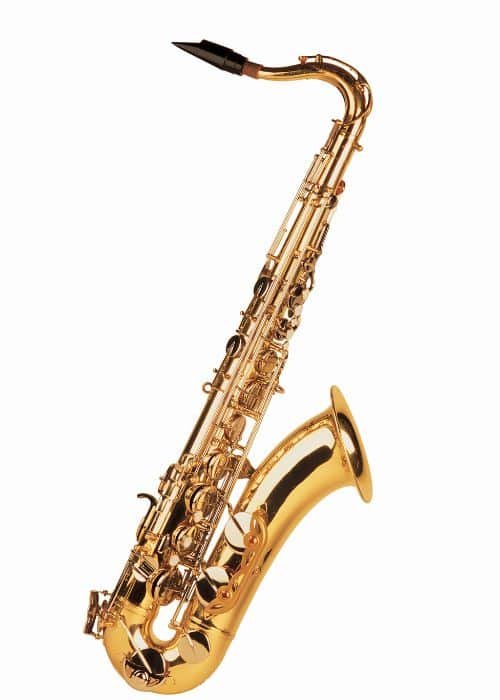
The saxophone is a brass instrument known for its distinctive, rich tone and versatility across musical genres.
It is commonly used in jazz, classical, and contemporary music, offering a wide range of expressive possibilities.
Saxophones come in various sizes, including soprano, alto, tenor, and baritone, each contributing unique sounds to musical compositions.
64. Stage
A stage is a raised platform where performers present plays, concerts, dances, and other forms of entertainment.
Stages can vary in size and complexity, from small community theaters to large concert halls and outdoor venues.
They are the focal point of live performances, providing a space for artists to connect with their audience.
65. Script
A script is a written text for a play, film, television show, or other performance, detailing dialogue, actions, and directions.
Scripts serve as the blueprint for productions, guiding actors, directors, and crew members in bringing a story to life.
They are essential for ensuring consistency, timing, and the overall flow of a performance.
66. Screen
A screen is a flat surface on which images, videos, or data are displayed, commonly used in devices such as televisions, computers, and smartphones.
Screens come in various technologies, including LCD, LED, and OLED, each offering different levels of clarity and color accuracy.
They are integral to modern communication, entertainment, and information access.
67. Studio
A studio is a workspace where artists, musicians, filmmakers, and other creative professionals produce and refine their work.
Studios can be equipped with specialized tools and equipment, such as recording consoles, cameras, and art supplies.
They provide a controlled environment for creative expression, collaboration, and production.
68. Stencil
A stencil is a template used to apply a design or pattern to a surface by painting or drawing through the cut-out areas.
Stencils are used in various art forms, from street art and graffiti to home decor and crafting.
They allow for precise and repeatable designs, making them a popular tool for artists and DIY enthusiasts.
69. Spray
Spray refers to a fine mist or aerosol of liquid, commonly used for applications such as painting, cleaning, and personal care products.
Spray cans and bottles disperse liquids evenly, making them convenient for covering large areas or applying controlled amounts.
They are widely used in industries ranging from cosmetics and automotive to agriculture and pest control.
70. Stadium
A stadium is a large, open, or enclosed structure designed for sports events, concerts, and other large-scale gatherings.
It typically features tiered seating for spectators, a central field or stage, and various amenities.
Stadiums are iconic venues for entertainment and competition, bringing together large crowds to enjoy live performances and sporting events.
71. Sports
Sports are competitive physical activities that require skill, strategy, and teamwork, played for recreation, fitness, or professional competition.
They include a wide range of disciplines, such as soccer, basketball, tennis, and athletics.
Sports promote physical health, social interaction, and personal development, offering entertainment and excitement for participants and spectators alike.
72. Soccer

Soccer, also known as football, is a team sport played with a spherical ball between two teams of eleven players.
It is the most popular sport worldwide, with millions of fans and participants.
Soccer involves strategies, teamwork, and physical endurance, providing thrilling competition and a sense of community for players and fans.
73. Swimming
Swimming is a water-based activity that involves moving through water using arms and legs.
It can be done for recreation, fitness, or competitive purposes, with different strokes such as freestyle, backstroke, breaststroke, and butterfly.
Swimming offers a full-body workout, improving cardiovascular health, strength, and flexibility.
74. Skiing
Skiing is a winter sport in which participants glide over snow on skis, using poles for balance and direction.
It includes various disciplines such as alpine skiing, cross-country skiing, and freestyle skiing.
Skiing offers both recreational enjoyment and competitive challenge, requiring skill, coordination, and physical fitness.
75. Sailing
Sailing is the sport or activity of navigating a boat or ship using sails and wind power.
It involves skills in wind reading, navigation, and boat handling, offering both leisurely and competitive experiences.
Sailing can be enjoyed on various water bodies, from lakes and rivers to the open ocean, providing a connection with nature and adventure.
76. Surfing
Surfing is a water sport where individuals ride waves on a surfboard, typically in the ocean.
It requires balance, timing, and agility, offering both recreational enjoyment and competitive challenge.
Surfing connects participants with the natural rhythms of the ocean, providing a thrilling and meditative experience.
77. Skateboarding
Skateboarding is an action sport involving riding and performing tricks on a skateboard.
It originated in the 1950s and has evolved into a popular activity with a vibrant culture and community.
Skateboarding requires balance, coordination, and creativity, offering a unique form of self-expression and physical challenge.
78. Snowboarding

Snowboarding is a winter sport where individuals descend snow-covered slopes on a snowboard, using body movements to steer.
It combines elements of skiing, surfing, and skateboarding, offering a dynamic and thrilling experience.
Snowboarding has various disciplines, including freestyle, alpine, and backcountry, each with its own techniques and challenges.
79. Softball
Softball is a team sport similar to baseball, played with a larger ball on a smaller field.
It involves pitching, hitting, fielding, and base running, requiring teamwork, strategy, and skill.
Softball is popular in recreational leagues, schools, and competitive tournaments, offering fun and inclusive opportunities for players of all ages.
80. Strategy
Strategy refers to a plan or set of actions designed to achieve a specific goal or outcome, often in the context of business, games, or military operations.
It involves analyzing situations, making decisions, and allocating resources to maximize success.
Effective strategy requires critical thinking, foresight, and adaptability, providing a roadmap for achieving objectives.
81. Solution
A solution is a means of solving a problem or dealing with a difficult situation, often involving a specific method or process.
In science, a solution refers to a homogeneous mixture of two or more substances.
Solutions are essential in various fields, from mathematics and chemistry to business and engineering, offering ways to address challenges and improve outcomes.
82. Science
Science is the systematic study of the natural world through observation, experimentation, and analysis.
It encompasses various disciplines, including biology, chemistry, physics, and earth sciences, each seeking to understand different aspects of the universe.
Science advances knowledge, drives technological innovation, and informs decision-making, contributing to human progress and well-being.
83. Space
Space refers to the vast, seemingly infinite expanse beyond Earth’s atmosphere, where celestial bodies such as stars, planets, and galaxies exist.
Space exploration has led to significant discoveries about the universe, advancing our understanding of astronomy, physics, and cosmology.
It also inspires curiosity and imagination, driving human aspirations to explore and colonize other worlds.
84. Satellite
A satellite is an artificial object placed into orbit around a celestial body, such as Earth, for purposes such as communication, weather monitoring, and scientific research.
Satellites play a crucial role in modern life, enabling global communication networks, GPS navigation, and environmental monitoring.
They provide valuable data and services that enhance our understanding and management of the planet.
85. Starship
A starship is a spacecraft designed for interstellar travel, exploring the vast distances between stars and galaxies.
While still largely a concept in science fiction, starships represent the future of space exploration and human expansion into the cosmos.
Advances in technology and engineering may one day make starships a reality, opening new frontiers for discovery and habitation.
86. Submarine
A submarine is a watercraft capable of underwater operation, used for military, research, and exploration purposes.
Submarines are equipped with advanced technology for navigation, communication, and detection, allowing them to operate stealthily and efficiently.
They play a vital role in naval defense, scientific research, and deep-sea exploration, providing unique capabilities and insights.
87. Seaplane
A seaplane is an aircraft designed to take off and land on water, equipped with floats or a hull for buoyancy.
Seaplanes are used for various purposes, including transportation, search and rescue, and recreational flying.
They offer flexibility and access to remote or water-bound locations, combining the capabilities of aviation and marine travel.
88. Shuttle
A shuttle is a vehicle designed for repeated transport between two points, often used in the context of space travel or public transportation.
Space shuttles were reusable spacecraft that transported astronauts and cargo to and from space stations and orbit.
Shuttles in public transportation provide convenient and efficient service within urban areas or between key destinations.
89. Street
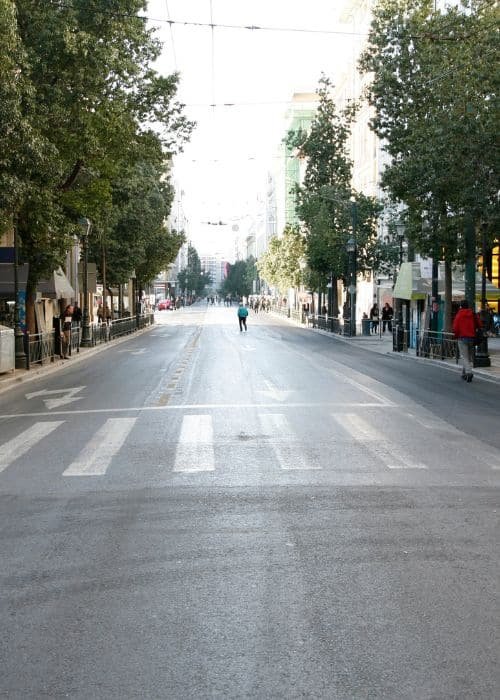
A street is a public road in a city or town, providing access and connectivity for vehicles and pedestrians.
Streets are essential for transportation, commerce, and social interaction, shaping the layout and character of urban environments.
They come in various types, from quiet residential roads to bustling commercial avenues, each serving different functions and needs.
90. Sidewalk
A sidewalk is a paved path along the side of a road, designated for pedestrian use.
Sidewalks enhance safety and accessibility, providing a dedicated space for walking, jogging, and other activities.
They are an integral part of urban infrastructure, promoting active transportation and connecting communities.
91. Station
A station is a designated place where vehicles, such as trains, buses, or subways, stop to pick up and drop off passengers.
Stations serve as hubs for transportation networks, facilitating travel and connectivity within and between cities.
They come in various forms, from small bus stops to large, multi-modal transit centers, offering amenities and services for travelers.
92. Signal
A signal is a sign, gesture, or device used to convey information or instructions, often in the context of communication or transportation.
Signals can be visual, auditory, or electronic, providing guidance and coordination in various settings.
They are essential for safety and efficiency, ensuring clear and effective communication in complex systems.
93. Sky
The sky is the expanse of air above the Earth, visible from the ground as a dome-like structure.
It appears blue during the day due to the scattering of sunlight by the atmosphere and changes colors during sunrise and sunset.
The sky is a canvas for weather phenomena, celestial events, and the passage of time, inspiring wonder and exploration.
94. Storm
A storm is a violent atmospheric disturbance characterized by strong winds, heavy rain, thunder, lightning, or snow.
Storms can vary in intensity and impact, from mild thunderstorms to severe hurricanes and blizzards.
They play a significant role in Earth’s climate system, influencing weather patterns and ecosystems, but can also pose significant hazards to life and property.
95. Sunset
A sunset is the daily disappearance of the sun below the horizon, resulting in a beautiful display of colors in the sky.
The phenomenon occurs due to the Earth’s rotation, with the sun’s rays scattering through the atmosphere to create red, orange, and pink hues.
Sunsets are often admired for their serene and picturesque qualities, symbolizing the end of the day.
96. Sunrise

A sunrise is the daily appearance of the sun above the horizon, marking the beginning of a new day.
It occurs as the Earth rotates, bringing the sun into view and gradually illuminating the sky with warm colors.
Sunrises are celebrated for their beauty and symbolism of renewal, offering a moment of tranquility and inspiration.
97. Summit
A summit is the highest point of a hill, mountain, or any upward rise, often providing breathtaking views and a sense of accomplishment.
Summiting a peak can be a challenging and rewarding experience, requiring physical endurance, skill, and determination.
Summits are symbolic of achievement and aspiration, representing the pinnacle of effort and exploration.
98. Stream
A stream is a small, flowing body of water, typically found in natural landscapes and often feeding into larger rivers or lakes.
Streams are vital for ecosystems, providing habitat for aquatic and terrestrial species and supporting plant life.
They play a crucial role in the water cycle, contributing to groundwater recharge, nutrient transport, and environmental health.
My Take on Things that Start with S
Exploring the multitude of things that start with the letter ‘S’ reveals the incredible breadth of our world and language.
From everyday items like soap and sandwiches to awe-inspiring elements like sunsets and symphonies, the letter ‘S’ encompasses a vast and varied collection of terms.
This journey through the splendid spectrum of ‘S’ not only highlights the richness of our vocabulary but also underscores the beauty and complexity of the world we live in.
As we reflect on these 100 things, we are reminded of the endless possibilities and wonders that surround us, waiting to be discovered and appreciated.
More things that start with:
A B C D E F G H I J
K L M N O P Q
R S T U V W
X Y Z