
Mastering Texture Mixing with Fabrics for Enhanced Room Depth

In the world of interior design, texture mixing with fabrics is akin to a chef blending flavors to create a culinary masterpiece. It’s about layering different materials to add depth, dimension, and intrigue to a space. From the plush comfort of velvet to the rustic charm of burlap, the possibilities are endless.
Note: This post may contain affiliate links, which means if you buy from my link I might make a small commission. This does not affect the price you pay. See the full affiliate disclosure here.
Mastering the art of texture mixing isn’t just about choosing fabrics that look good together; it’s about evoking feelings and creating an atmosphere that’s both inviting and visually stimulating. Whether it’s a cozy bedroom retreat or a vibrant living room setup, incorporating a variety of textures can transform any space into a rich tapestry of style and comfort.
Understanding Texture Mixing with Fabrics
Texture mixing is the art of combining different fabric textures to enhance the visual and tactile appeal of an interior space. Like a chef carefully selecting ingredients to create a balanced dish, an interior designer must choose the right mix of fabric textures to achieve a harmonious look. This approach not only adds depth and dimension to a room but also evokes various feelings, making the space more inviting.
Choosing fabrics with diverse textures creates a contrast that can be striking, yet sophisticated. For example, combining a smooth, silk throw pillow with a rough, woolen blanket can create an intriguing visual and tactile contrast. Elle Decor highlights the importance of such contrasts, showing how they can add complexity and richness to any design scheme (Elle Decor).
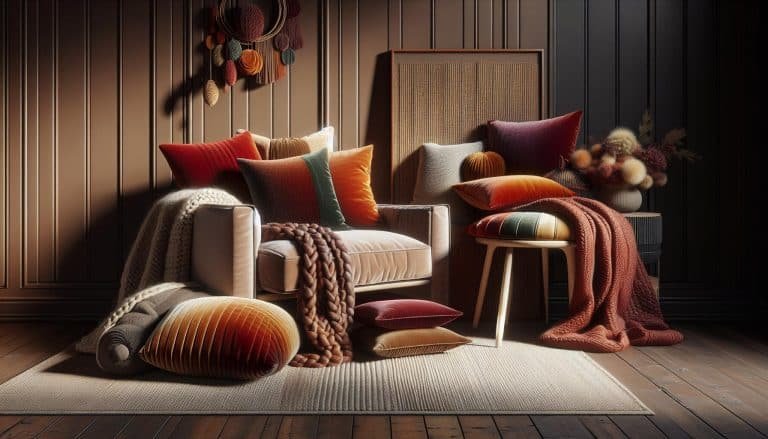
Layering is key in texture mixing. Starting with a base texture such as a cotton sofa cover, designers can layer additional textures through accents like velvet cushions, chunky knit throws, or jute rugs. This layering technique builds visual interest and invites the eye—and hand—to explore the space.
The choice of fabric textures also plays a significant role in setting the room’s atmosphere. A plush, soft rug can make a room feel cozy and welcoming, while sleek, shiny fabrics can impart a more modern and sleek vibe. According to Architectural Digest, the strategic use of texture can transform a room from flat and lifeless to dynamic and engaging (Architectural Digest).
Ultimately, understanding texture mixing with fabrics requires a thoughtful approach. Designers must consider not just the visual impact but also the tactile experience, ensuring a blend that is not only beautiful to look at but also delightful to touch. With a careful selection of textures, any room can be turned into a multi-sensory haven.
Key Principles of Layering for Depth
When embarking on layering textures in interior design, there are several key principles to consider. Each principle plays a pivotal role in ensuring that the mixed textures harmonize, rather than clash, and contribute to the overall depth and dimension of the space.
Start with a Base Texture: Choosing a base texture is akin to laying the foundation for a building. This texture will serve as the backdrop to additional layers. Typically, designers opt for a neutral and less dominant texture as the base to ensure that subsequent layers can stand out. Natural fabrics such as linen or cotton make excellent choices due to their versatility. For a deep dive into selecting base fabrics, Architectural Digest offers comprehensive guidance.
Incorporate a Variety of Textures: To achieve a dynamic and visually engaging space, it’s essential to introduce a diverse range of textures. The contrast between rough and smooth or matte and shiny fabrics can create a tactile and visual feast. Layering a silky throw over a coarse linen sofa, for example, can add an immediate layer of sophistication and comfort.
Balance is Key: While it’s tempting to incorporate as many textures as possible, maintaining balance is crucial to avoid overwhelming the senses. The aim is to entice and invite exploration, not create confusion. A balanced approach might involve pairing heavy textures with lighter ones or allowing a bold textured statement piece to take center stage against more subdued backdrops.
Consider the Color Palette: Textures have the power to amplify the impact of the room’s color scheme. When layering textures, consider how they will interact with the room’s overall palette. Coordinating colors can help unify the textures, making the layering feel intentional and cohesive. The Pantone Color Institute provides insights into color trends and combinations that can inspire texture pairings.
By adhering to these principles, designers can skillfully mix and match fabric textures to create spaces that are both aesthetically pleasing and rich in depth. The process of texture layering, much like the art of cooking, relies on a delicate balance of elements to achieve the desired outcome – a well-rounded, inviting, and dynamic space.
Choosing the Right Fabrics for Dimension

When delving into the intricate world of texture mixing with fabrics, selecting the right materials is paramount. The choice not only impacts the visual appeal but also the tactile experience of a space. Understanding the properties of various fabrics and how they contribute to the desired dimension is essential.
Fabrics fall into two main categories: natural and synthetic. Natural fibers, such as cotton, linen, wool, and silk, offer a timeless appeal with their unique textures and durability. They tend to add warmth and comfort to any interior design scheme. On the other hand, synthetic fibers, like polyester, nylon, and acrylic, provide versatility and a wide range of textures not always achievable with natural materials. These can mimic the look and feel of natural fibers while offering added durability and resistance to fading and stains.
The key is to mix these fabrics in a way that balances visual interest with functionality. For instance, combining the softness of velvet (either silk or synthetic) with the rough texture of burlap can create a compelling contrast that draws the eye while maintaining a cohesive look.
When choosing fabrics for layering, consider the following criteria:
- Durability: Heavier use areas require more durable fabrics like wool or tightly woven synthetics.
- Texture: Aim for a mix of textures to achieve depth. Combine smooth, glossy fabrics with matte, rough ones for balance.
- Color: While texture is paramount, color should not be overlooked. Ensure the fabrics’ colors complement each other to unify the design.
Experts suggest starting with a neutral base fabric and building from there, adding layers of textured fabrics as accents. This strategy allows for more flexibility in incorporating diverse textures without overwhelming the space. For professional tips on fabric selection, consider sources like Architectural Digest or Elle Decor for industry insights.
By mindfully selecting fabrics that correspond with the room’s function and aesthetic goals, designers can craft spaces that feel both dynamic and harmonious. Combining textures with thoughtfulness and creativity leads to interiors that are visually rich and inviting, proving that with the right approach, mixing and matching fabrics opens up a world of design possibilities.
Incorporating Textures to Create Intrigue
Introducing a variety of textures into a room’s design scheme is essential for adding depth and evoking a sense of intrigue. Designers often employ a tactical approach, layering fabrics of different weights and weaves to achieve the desired effect. Velvet for plushness, linen for a breezy feel, and wool for warmth and texture are just a few fabrics that, when combined, can transform a space from flat to multidimensional.
The process begins by selecting a base fabric that acts as a canvas for the rest of the design. This could be a neutral-toned linen or cotton, offering a subtle background that allows other textures to stand out. From there, the addition of secondary textures—such as a heavy wool throw or a silky satin cushion—introduces contrast and elevates the room’s aesthetic.
Experts from Architectural Digest suggest that when incorporating multiple textures, it’s crucial to maintain a cohesive color palette. This strategy ensures that the room feels unified, even with the introduction of diverse fabric textures. They recommend sticking to a color scheme of two or three shades as a guideline to maintain harmony within the design.
Moreover, layering textures is not solely about aesthetics. It also enhances the room’s functionality and comfort. A mix of soft and durable fabrics ensures that the space is not only visually appealing but also practical for everyday use. For instance, incorporating a plush rug on a sleek hardwood floor not only adds visual interest but also offers warmth and comfort underfoot.
The interplay of different textures can significantly impact the ambiance of a room. By carefully selecting and layering fabrics, designers can create spaces that are both intriguing and inviting. For further inspiration and tips on texture mixing in interior design, resources like Elle Decor provide extensive guides and examples showcasing the latest trends and techniques.
Enhancing Spaces with a Rich Tapestry
The art of texture mixing with fabrics transcends mere aesthetic appeal; it enriches spaces with a palpable sense of warmth and depth. Interior designers often emphasize the strategic layering of materials to transform a room from flat and uninspiring to vibrant and dynamic. An effective technique involves starting with a sturdy, neutral base fabric, such as cotton or linen, and then introducing varied materials like silk, velvet, or faux fur for an element of luxury and sophistication.
One pivotal aspect of this process is selecting textures that complement rather than compete with one another. A harmonious blend can be achieved by balancing heavy textures with lighter ones. For instance, a thick woolen rug can serve as a grounding element in a living room, while sheer curtains can add a light, airy quality that contrasts beautifully with the rug’s robustness.
Experts, such as those featured in Architectural Digest, offer valuable insights on how subtle nuances in texture can inject life into monochromatic schemes or minimalist designs. Incorporating a variety of textures in a single palette—ranging from smooth and sleek to rough and rustic—enhances a room’s dimensions and evokes a more engaging sensory experience.
The role of textural contrasts can’t be overstated. Imagine the soft glow of a satin pillow against the ruggedness of a leather sofa; this juxtaposition not only draws the eye but also invites touch, adding a layer of complexity to the room’s overall design. Resources like Elle Decor are a testament to the transformative power of mixing textures and offer a wealth of inspiration for those looking to refine their space with a rich tapestry of fabrics.
Achieving the right balance requires a keen eye and a willingness to experiment. Whether you’re contemplating a complete overhaul or simply seeking to refresh an existing space, the principle remains the same: layering textures elevates a room’s aesthetic and creates an inviting atmosphere where every element coexists in perfect harmony.
Conclusion
Mastering the art of texture mixing is a game-changer in interior design. By layering luxurious materials like silk, velvet, and faux fur over a neutral base, designers can inject warmth, depth, and sophistication into any space. It’s all about finding the right balance between heavy and light textures to achieve harmony and complexity. Whether you’re enhancing a monochromatic scheme or aiming for a minimalist look, the strategic contrast of textures can significantly elevate a room’s aesthetic. For those seeking inspiration, Elle Decor offers a treasure trove of ideas on how to mix textures with finesse. Remember, the key to a beautifully designed space lies in the thoughtful layering of textures to create a visually rich and harmonious atmosphere.
Frequently Asked Questions
What is texture mixing in interior design?
Texture mixing in interior design refers to the strategic layering of various materials and fabrics, such as silk, velvet, and faux fur, to add depth, warmth, and luxury to a room. It enhances the room’s aesthetic beyond just its appearance by creating a more sophisticated and enriched space.
How does texture mixing improve a room’s design?
By balancing heavy and light textures and incorporating different materials, texture mixing adds complexity and visual interest to a room. It enriches monochromatic schemes and minimalist designs with depth and character, transforming a space into a harmonious and inviting environment.
Can texture mixing be applied to monochromatic and minimalist designs?
Yes, texture mixing is particularly effective in monochromatic and minimalist designs. It adds depth and warmth without compromising the color scheme or the minimalist aesthetic, as highlighted by experts in publications like Architectural Digest.
Where can I find inspiration for mixing textures in interior design?
Elle Decor is recommended as a top resource for finding inspiration on how to effectively mix textures in interior design. The publication offers numerous examples and ideas from professionals to inspire your own design projects.
What is the key to successful texture mixing?
The key to successful texture mixing lies in selecting complementary textures and balancing them properly. Heavy textures should be balanced with lighter ones to maintain harmony in the room. It’s about creating a visually interesting yet cohesive space that feels unified and inviting.