
83 Things that Start with O

Exploring the Vastness of the Letter “O”: A Journey Through 83 Things
The alphabet is a treasure trove of words, each letter opening up a world of objects, ideas, and concepts.
Note: This post may contain affiliate links, which means if you buy from my link I might make a small commission. This does not affect the price you pay. See the full affiliate disclosure here.
The letter “O” is no exception, encompassing a diverse array of items that range from the commonplace to the extraordinary.
This list of 83 things that start with “O” takes us on a journey through the natural world, culinary delights, technological innovations, and much more.
By exploring these “O” words, we gain a deeper appreciation for the richness and variety of our language.

- Octopus
- Onion
- Olive
- Ostrich
- Oatmeal
- Ocarina
- Oak-tree
- Orangutan
- Obelisk
- Omelette
- Orchid
- Otter
- Oven
- Oboe
- Oasis
- Oxygen
- Opal
- Orbit
- Ox
- Origami
- Oil
- Oven mitt
- Octagon
- Observatory
- Oregano
- Olive oil
- Ornament
- Opera
- Opium
- Orange
- Oyster
- Overpass
- Obsidian
- Otoscope
- Office
- Ocean
- Outfield
- Outlet
- Optician
- Overcoat
- Orchestra
- Otolaryngologist
- Oscilloscope
- Orangery
- Ointment
- Ore
- Oscillation
- Overhang
- Ozone
- Obstacle
- Oval
- Organ
- Overcast
- Octave
- Optics
- Oath
- Overlay
- Overdrive
- Overture
- Orchard
- Orthodontist
- Overload
- Oxidation
- Oxide
- Overdose
- Overhead
- Operation
- Onyx
- Outpouring
- Overlapping
- Offspring
- Octogenarian
- Observatory deck
- Outhouse
- Obedience
- Outreach
- Overboard
- Outerwear
- Overpower
- Ownership
- Oboist
- Outdoor
1. Octopus
An octopus is a highly intelligent sea creature known for its eight arms and ability to camouflage itself.
They are fascinating marine animals that can solve complex puzzles and exhibit behaviors indicative of advanced problem-solving skills.
Octopuses inhabit various ocean environments, from coral reefs to the deep sea.
2. Onion
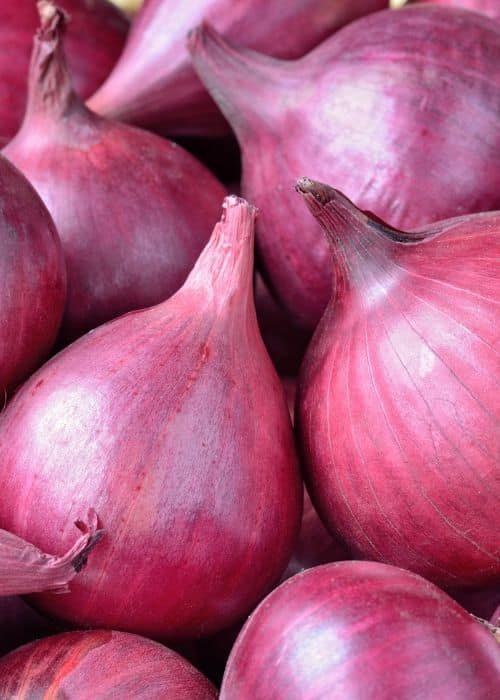
Onions are versatile vegetables used in cooking for their pungent flavor and aroma.
They come in several varieties, including red, yellow, and white, each with unique culinary applications.
Onions are rich in antioxidants and have various health benefits, making them a staple in kitchens worldwide.
3. Olive
Olives are small, oval fruits grown on olive trees, commonly used for their oil and as a food ingredient.
They come in green and black varieties and are known for their distinct, savory flavor.
Olives and olive oil are central to Mediterranean cuisine and are valued for their health benefits, including heart health.
4. Ostrich

The ostrich is the world’s largest bird, native to Africa, known for its long neck and powerful legs.
Despite their size, ostriches are flightless but can run at impressive speeds, making them well-adapted to their savannah habitats.
Ostriches are also notable for their large eggs, the largest of any living land animal.
5. Oatmeal
Oatmeal is a nutritious breakfast food made from ground oats, known for its high fiber content and heart-healthy benefits.
It can be served in various ways, from simple porridges to elaborate dishes with fruits and nuts.
Oatmeal is a versatile and filling meal that supports a balanced diet.
6. Ocarina
The ocarina is a small wind instrument made from ceramic or wood, shaped like a vessel with finger holes.
It produces melodious sounds and is often associated with folk music traditions.
The ocarina has gained popularity in modern times through its appearance in video games and music education.
7. Oak Tree
An oak tree is a strong and enduring tree species known for its hardwood and acorns.
Oaks are significant in various ecosystems, providing habitat and food for wildlife.
They are also valued for their timber, which is used in furniture making, flooring, and construction.
8. Orangutan
Orangutans are great apes native to the rainforests of Borneo and Sumatra, known for their intelligence and distinctive reddish-brown fur.
They spend most of their lives in trees, using their long arms to swing from branch to branch.
Orangutans are critically endangered due to habitat loss and poaching.
9. Obelisk
An obelisk is a tall, four-sided, narrow monument that tapers to a pyramid-like point at the top.
Originating in ancient Egypt, obelisks were often erected to commemorate notable individuals or events.
These structures are significant in both historical and architectural contexts.
10. Omelette
An omelet is a dish made by beating eggs and cooking them with various fillings, such as cheese, vegetables, and meats.
It is a popular breakfast item due to its versatility and quick preparation.
Omelets can be customized to suit individual tastes and dietary preferences.
11. Orchid

Orchids are a diverse family of flowering plants known for their intricate and colorful blooms.
They are popular in horticulture and as decorative houseplants.
Orchids require specific growing conditions but reward gardeners with their unique and exotic flowers.
12. Otter
Otters are playful, aquatic mammals found in freshwater rivers, lakes, and coastal areas.
They are known for their sleek bodies, webbed feet, and playful behaviors.
Otters are excellent swimmers and use tools like rocks to crack open shellfish, showcasing their intelligence.
13. Oven
An oven is a kitchen appliance used for baking, roasting, and heating food.
Modern ovens come with various features, including temperature control, timers, and self-cleaning functions.
They are essential in cooking and baking, allowing for precise temperature management and consistent results.
14. Oboe
The oboe is a woodwind instrument with a double reed, known for its bright, penetrating sound.
It is used in orchestras, chamber music, and solo performances.
The oboe requires precise breath control and skillful reed management, making it a challenging instrument to master.
15. Oasis

An oasis is a fertile area in a desert, typically surrounding a water source such as a spring or well.
Oases provide critical habitats for plants, animals, and human settlements in arid regions.
They are vital for survival in deserts, offering water and shade.
16. Oxygen
Oxygen is a chemical element essential for life, making up about 21% of the Earth’s atmosphere.
It is vital for respiration in living organisms and plays a crucial role in combustion and oxidation processes.
Oxygen is produced by plants during photosynthesis and is used in various industrial applications.
17. Opal
Opal is a precious gemstone known for its vibrant play of colors, often displaying a rainbow-like iridescence.
It is used in jewelry and is valued for its unique optical properties.
Opals are formed from silica and water, and their beauty has made them prized throughout history.
18. Orbit
An orbit is the curved path of an object around a point in space, such as the Earth’s orbit around the Sun.
Orbits result from the gravitational pull between two bodies and are fundamental in understanding celestial mechanics.
They are crucial in satellite deployment and space exploration.
19. Ox
An ox is a domesticated bovine animal used as a draft animal in agriculture.
Known for their strength and endurance, oxen have been historically significant in plowing fields and transporting goods.
They are typically castrated male cattle trained for work.
20. Origami
Origami is the art of paper folding, creating intricate designs and models from a single sheet of paper.
Originating in Japan, origami is both a creative hobby and a cultural practice.
It ranges from simple shapes to complex figures, requiring precision and skill.
21. Oil

Oil is a liquid substance derived from various natural sources, including petroleum, plants, and animals.
It is used for fuel, lubrication, cooking, and as a base for many chemical products.
Oil is a critical resource in modern economies and industries.
22. Oven Mitt
An oven mitt is a padded glove used to protect hands from heat when handling hot cookware.
It is an essential kitchen accessory, ensuring safety while baking, roasting, and cooking.
Oven mitts come in various materials, including cotton and silicone, for effective heat resistance.
23. Octagon
An octagon is a geometric shape with eight sides and eight angles.
It is commonly seen in architecture, design, and various symbols, such as stop signs.
Octagons can be regular, with all sides and angles equal, or irregular with varying lengths and angles.
24. Observatory
An observatory is a facility equipped with telescopes and other instruments for observing celestial events and objects.
Observatories are essential in astronomy, allowing scientists to study stars, planets, and galaxies.
They can be ground-based or located in space, such as the Hubble Space Telescope.
25. Oregano
Oregano is a fragrant herb commonly used in cooking for its aromatic and slightly bitter flavor.
It is a staple in Mediterranean cuisine and is often used in dishes like pizza, pasta, and salads.
Oregano also has medicinal properties and is used in traditional remedies.
26. Olive Oil
Olive oil is a liquid fat extracted from olives, used widely in cooking, cosmetics, and pharmaceuticals.
It is a key ingredient in Mediterranean diets, valued for its health benefits, including heart health and anti-inflammatory properties.
Olive oil comes in various grades, from extra virgin to refined.
27. Ornament
An ornament is a decorative object used to beautify spaces, such as homes, gardens, and public places.
Ornaments can range from holiday decorations to everyday items like vases and figurines.
They add aesthetic value and often hold cultural or personal significance.
28. Opera
Opera is a dramatic art form that combines singing, music, and theatrical performance.
Originating in Italy, opera involves elaborate productions with orchestras, costumes, and sets.
It tells stories through powerful vocal performances, often in foreign languages like Italian, German, and French.
30. Opium
Opium is a narcotic substance derived from the poppy plant, used historically for pain relief and recreational purposes.
It has significant cultural and historical importance but is also associated with addiction and the opioid crisis.
Opium’s derivatives, like morphine and codeine, are used in medicine.
31. Orange
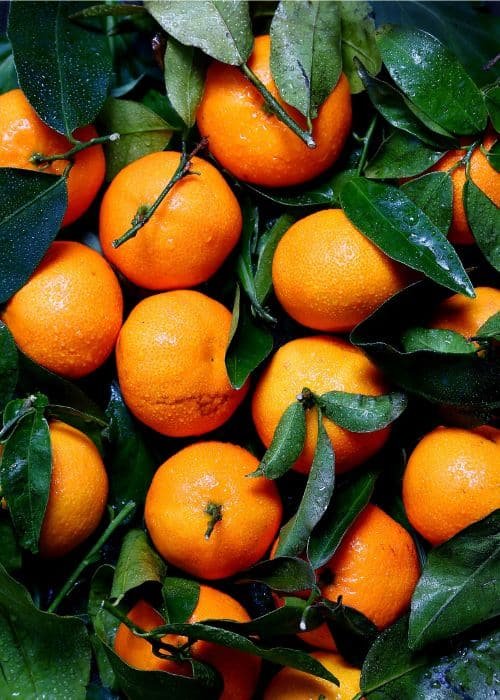
Oranges are citrus fruits known for their sweet and tangy flavor, rich in vitamin C and antioxidants.
They are consumed fresh, juiced, or used in cooking and baking.
Oranges are popular for their health benefits and are a common snack and breakfast item.
32. Oyster
Oysters are mollusks found in marine or brackish waters, known for their edible meat and pearl production.
They can be eaten raw or cooked and are considered a delicacy in many cuisines.
Oysters also play a crucial role in aquatic ecosystems as filter feeders.
33. Overpass
An overpass is a bridge that allows one road or railway to pass over another, facilitating traffic flow.
Overpasses help reduce congestion and improve safety by separating different levels of traffic.
They are common in urban infrastructure and transportation networks.
34. Obsidian
Obsidian is a naturally occurring volcanic glass formed from rapid cooling of lava.
It has a smooth, glassy texture and is typically black or dark colored.
Obsidian has been used historically for tools, weapons, and decorative objects due to its sharp edges and aesthetic appeal.
35. Otoscope
An otoscope is a medical device used to examine the ear canal and eardrum.
It consists of a light source and a magnifying lens, allowing healthcare professionals to diagnose ear conditions.
Otoscopes are essential tools in routine check-ups and ear-related medical examinations.
36. Office
An office is a workspace where administrative, professional, or clerical activities are conducted.
Offices are essential in various sectors, including business, government, and education.
They are equipped with furniture, computers, and other tools necessary for productivity and communication.
37. Ocean

The ocean is a vast body of saltwater that covers about 71% of the Earth’s surface.
It is home to diverse marine life and plays a crucial role in regulating the planet’s climate.
Oceans are vital for human activities, including transportation, fishing, and recreation.
38. Outfield
The outfield is the grassy area in a baseball or softball field beyond the infield.
It is divided into left, center, and right fields, where outfielders play.
The outfield requires speed and agility to catch fly balls and prevent hits from becoming extra bases.
39. Outlet
An outlet is a device or location for the release or distribution of something, such as electrical power or retail goods.
Electrical outlets provide access to power, while retail outlets sell products directly to consumers, often at discounted prices.
Outlets are essential for functionality and commerce.
40. Optician
An optician is a professional who designs, fits, and dispenses corrective lenses based on prescriptions from optometrists or ophthalmologists.
They help patients select eyeglasses and contact lenses that improve vision and fit comfortably.
Opticians play a crucial role in eye care and vision correction.
41. Observatory
An observatory is a facility equipped with telescopes and other instruments for observing celestial events and objects.
Observatories are essential in astronomy, allowing scientists to study stars, planets, and galaxies.
They can be ground-based or located in space, such as the Hubble Space Telescope.
42. Overcoat
An overcoat is a long, heavy coat worn over clothing for warmth and protection from cold weather.
It is typically made of wool or other insulating materials.
Overcoats are a staple in winter wardrobes and come in various styles, including trench coats and peacoats.
43. Orchestra
An orchestra is a large ensemble of musicians who play a variety of instruments, including strings, woodwinds, brass, and percussion.
Orchestras perform classical music, symphonies, and concertos, often in concert halls.
They are led by a conductor who directs the performance.
44. Otolaryngologist
An otolaryngologist, also known as an ENT (ear, nose, and throat) doctor, specializes in diagnosing and treating conditions related to these areas.
They address issues like hearing loss, sinus problems, and throat disorders.
Otolaryngologists perform surgeries and provide medical treatments to improve patient’s quality of life.
45. Oscilloscope
An oscilloscope is an electronic instrument used to display and analyze the waveform of electrical signals.
It allows engineers and technicians to observe the changes in signal voltage over time.
Oscilloscopes are essential tools in electronics, telecommunications, and various scientific applications.
46. Orangery
An orangery is a greenhouse or conservatory where orange trees and other citrus plants are grown.
Originating in Europe during the Renaissance, orangeries were status symbols for wealthy estates.
They provide a controlled environment for cultivating delicate plants in colder climates.
47. Ointment
An ointment is a smooth, oily preparation applied to the skin for medicinal or cosmetic purposes.
It helps protect, soothe, and heal skin conditions such as rashes, burns, and dryness.
Ointments are used in various medical treatments and skincare routines.
48. Ore

Ore is a natural rock or sediment that contains valuable minerals or metals that can be extracted and processed.
Common ores include iron, copper, and gold.
Mining and refining ores are essential for producing raw materials used in manufacturing and construction.
49. Oscillation
Oscillation refers to the repetitive variation, typically in time, of some measure about a central value or between two or more different states.
It is observed in various systems, such as pendulums, electrical circuits, and sound waves.
Oscillations are fundamental in understanding wave behaviors and periodic motions.
50. Overhang
An overhang is a structure that extends beyond the supporting walls or columns, providing protection or shade below.
It is commonly seen in building eaves, balconies, and natural formations like cliffs.
Overhangs can enhance architectural design and functionality.
51. Ozone
Ozone is a molecule composed of three oxygen atoms, found in the Earth’s stratosphere.
It forms the ozone layer, which absorbs and protects living organisms from harmful ultraviolet radiation.
Ozone is also present at ground level as a pollutant, contributing to smog and respiratory issues.
52. Obstacle
An obstacle is something that blocks or hinders progress, creating challenges that must be overcome.
Obstacles can be physical, like barriers, or metaphorical, like personal difficulties.
Overcoming obstacles requires determination, problem-solving skills, and perseverance.
53. Oval
An oval is a curved shape resembling an elongated circle, wider in one direction than the other.
Ovals are common in geometry, design, and nature, such as in the shapes of eggs and racetracks.
They are aesthetically pleasing and often used in art and architecture.
54. Organ
An organ is a complex musical instrument with multiple keyboards, pedals, and pipes that produce sound through the movement of air.
Organs are commonly found in churches, concert halls, and theaters and are known for their powerful and rich tones.
They play a significant role in classical and liturgical music.
55. Overcast
Overcast refers to a sky covered with clouds, resulting in dull, gray, and often gloomy weather.
It typically indicates the likelihood of rain or poor visibility.
Overcast conditions affect mood, lighting, and outdoor activities.
56. Octave
An octave is a musical interval spanning eight notes, where the first and eighth notes have the same name but differ in pitch.
It is a fundamental concept in music theory, forming the basis of scales and harmonies.
Octaves are used to create depth and variation in musical compositions.
57. Optics
Optics is the branch of physics that studies the behavior and properties of light and its interactions with matter.
It encompasses phenomena like reflection, refraction, and diffraction.
Optics is essential in developing lenses, microscopes, cameras, and other devices that manipulate light.
58. Oath

An oath is a solemn promise or declaration, often made in a formal setting, to uphold certain principles or perform specific duties.
Oaths are common in legal, political, and professional contexts, serving as a commitment to honesty and integrity.
They are taken seriously and carry significant moral and legal weight.
59. Overlay
An overlay is a layer of material or information placed over another to enhance, modify, or provide additional context.
In graphics and design, overlays are used to add details, such as text or images, without permanently altering the original.
Overlays are also used in construction and technology.
60. Overdrive
Overdrive is a mechanism in vehicles that allows the engine to operate at lower revolutions per minute (RPM) at higher speeds, improving fuel efficiency.
It is also a term used in music to describe a distorted, amplified sound, particularly in electric guitars.
Overdrive enhances performance and energy in various applications.
61. Overture
An overture is an instrumental composition that introduces an opera, ballet, or concert, setting the tone for the performance.
It often contains themes from the main work and is designed to capture the audience’s attention.
Overtures are significant pieces of music, showcasing the composer’s creativity and skill.
62. Orchard
An orchard is a piece of land dedicated to growing fruit trees, such as apples, oranges, and cherries.
Orchards are cultivated for commercial fruit production and are important in agriculture and food supply.
They also provide habitats for wildlife and contribute to biodiversity.
63. Orthodontist

An orthodontist is a dental specialist who diagnoses, prevents, and corrects misaligned teeth and jaws.
They use braces, aligners, and other appliances to straighten teeth and improve oral health.
Orthodontists help patients achieve better smiles and functional bites.
64. Overload
Overload refers to a situation where a system or component exceeds its capacity, leading to potential failure or damage.
In electrical systems, overloads can cause short circuits and fires.
Managing overloads is crucial in engineering, safety, and health to prevent adverse effects.
65. Oxidation
Oxidation is a chemical reaction in which a substance loses electrons, often involving the interaction with oxygen.
It is a fundamental process in various natural and industrial activities, such as rusting, combustion, and metabolism.
Understanding oxidation is essential in fields like chemistry and environmental science.
66. Oxide
An oxide is a compound formed when an element, typically a metal, reacts with oxygen.
Common examples include rust (iron oxide) and aluminum oxide.
Oxides have various applications in industry, technology, and everyday life, influencing materials’ properties and behaviors.
67. Overdose
An overdose occurs when a person consumes a substance, such as medication or drugs, in quantities exceeding the recommended or safe limit, leading to harmful effects or death.
Overdoses can be accidental or intentional and require immediate medical attention.
Preventing overdoses involves education, regulation, and support for at-risk individuals.
68. Overhead
Overhead refers to the ongoing expenses of operating a business or organization that are not directly tied to specific projects or products.
Examples include rent, utilities, and administrative costs.
Managing overhead effectively is crucial for financial health and sustainability.
69. Operation
An operation is a planned activity or set of activities aimed at achieving a specific goal, often in medical, military, or business contexts.
In medicine, an operation is a surgical procedure to treat or diagnose conditions.
Operations require careful planning, execution, and coordination.
70. Onyx

Onyx is a semi-precious gemstone known for its parallel bands of color, often black and white.
It is used in jewelry and decorative items for its striking appearance and durability.
Onyx has been valued throughout history for its beauty and symbolic meanings.
71. Outpouring
An outpouring is a sudden and abundant release of something, such as emotions, ideas, or liquid.
It can describe a flood of support, creativity, or expression.
Outpourings are significant in highlighting intense reactions or the flow of resources and energy.
72. Overlapping
Overlapping occurs when two or more things extend over or cover part of each other, creating an area of commonality.
It is a concept used in various fields, such as art, science, and technology, to describe intersecting elements.
Overlapping can lead to new insights and connections.
73. Offspring
Offspring are the progeny or descendants of living organisms, including animals and humans.
They inherit genetic material from their parents and are essential for the continuation of species.
Caring for offspring involves nurturing, protection, and education.
74. Octogenarian
An octogenarian is a person who is in their eighties, aged between 80 and 89 years old.
Octogenarians often face unique health and lifestyle challenges but also bring a wealth of experience and wisdom.
They are celebrated for their longevity and contributions to society.
75. Observatory Deck

An observatory deck is an elevated platform designed for viewing and observing surroundings, often found in tall buildings, towers, and natural landmarks.
It provides panoramic views and is a popular attraction for tourists and sightseers.
Observatory decks offer unique perspectives of landscapes and cityscapes.
76. Outhouse
An outhouse is a small, simple structure used as an outdoor toilet, typically found in rural or undeveloped areas.
It consists of a seat over a pit and provides basic sanitation facilities.
Outhouses are historically significant and are still used in some remote locations.
77. Obedience
Obedience is the act of following rules, commands, or instructions from an authority figure.
It is an important concept in various contexts, including parenting, education, and law enforcement.
Obedience helps maintain order and discipline but can also raise ethical considerations.
78. Outreach
Outreach refers to efforts to connect with and provide services or support to a community or specific group, often by organizations or institutions.
It aims to address needs, raise awareness, and foster positive relationships.
Outreach programs are vital in education, healthcare, and social services.
79. Overboard
Overboard means falling or being thrown from a ship into the water.
It is a dangerous situation that requires immediate action to ensure safety and rescue.
The term is also used metaphorically to describe excessive or extreme behavior.
80. Outerwear

Outerwear includes clothing designed to be worn over other garments for protection against weather, such as coats, jackets, and rain gear.
It is essential for staying warm, dry, and comfortable in various climates.
Outerwear comes in various styles and materials, suited for different activities and environments.
81. Overpower
To overpower means to defeat or overcome someone or something by force or strength.
It can refer to physical, mental, or emotional dominance.
Overpowering an opponent or obstacle often involves strategy, determination, and effort.
82. Ownership
Ownership is the legal right or state of possessing something, such as property, assets, or intellectual property.
It involves control, responsibility, and the ability to transfer rights to others.
Ownership is a fundamental concept in law, economics, and personal relationships.
83. Oboist
An oboist is a musician who plays the oboe, a woodwind instrument known for its distinctive, penetrating sound.
Oboists require skill and practice to master the instrument’s complex fingerings and breath control.
They play a crucial role in orchestras, chamber music, and solo performances.
84. Outdoor
Outdoor refers to activities, environments, or spaces that are outside buildings and exposed to the open air.
Outdoor activities include hiking, camping, gardening, and sports.
The outdoor environment provides opportunities for recreation, relaxation, and connecting with nature.
My Take on Things that start with O
From the depths of the ocean with the octopus to the heights of the sky with the ozone layer, the letter “O” introduces us to an impressive array of items and concepts.
This list not only highlights the versatility and scope of words beginning with “O” but also underscores the interconnectedness of the world around us.
Whether it’s the food we eat, the animals we encounter, or the tools we use, “O” words enrich our vocabulary and broaden our understanding of everyday life and beyond.
This exploration serves as a reminder of the endless wonders that a single letter can unveil.
More Things that start with:
A B C D E F G H I J
K L M N O P Q
R S T U V W
X Y Z