Layering Lighting in a Room: Tips for the Perfect Glow

Creating the perfect ambiance in any room isn’t just about choosing the right furniture or paint color; it’s also about mastering the art of layering lighting. This technique can transform a space from flat and uninviting to warm and dynamic, achieving that coveted perfect glow.
Note: This post may contain affiliate links, which means if you buy from my link I might make a small commission. This does not affect the price you pay. See the full affiliate disclosure here.
Layering lighting involves using a mix of different light sources at various levels and intensities. It’s a game-changer for anyone looking to elevate their home’s aesthetic. Whether it’s a cozy reading nook or a vibrant kitchen, understanding how to effectively layer lighting can make all the difference.
Understanding Layering Lighting
Layering lighting is a critical design strategy for creating ambiance and functionality in any space. It involves the use of different types of lighting – ambient, task, and accent – to achieve a balanced and visually interesting environment. Ambient lighting provides overall illumination, task lighting focuses on specific areas for activities, and accent lighting highlights architectural features or artwork.
To effectively layer lighting, one must consider the purpose of each room. For instance, a kitchen requires strong task lighting for food preparation areas but can benefit from accent lighting to showcase cabinetry or backsplashes. In contrast, living rooms might prioritize ambient lighting to create a welcoming atmosphere, supplemented by task lighting for reading and accent lighting to spotlight art.
Selecting the Right Fixtures
Choosing the right fixtures is crucial to successfully layer lighting. Each layer of lighting can be achieved with different fixtures:
- Ambient lighting might use ceiling-mounted fixtures, chandeliers, or wall sconces.
- Task lighting often involves under-cabinet lights, table or floor lamps, and pendant lights.
- Accent lighting can be created with track lighting, picture lights, or wall-mounted fixtures designed to direct light at specific objects.
The Role of Dimmers and Smart Lighting
Incorporating dimmers and smart lighting systems allows for greater control over the intensity and distribution of light, making it easier to adjust the ambiance for different occasions. With these technologies, one can dim the lights for a cozy evening or brighten a workspace for functionality. Sources like Philips Lighting and Lutron provide extensive options for smart lighting solutions.
Layering lighting is not just about functionality; it’s about creating a mood and enhancing the aesthetic appeal of a space. By understanding and implementing these strategies, one can transform any room from flat to dynamic. The key is to experiment with different layers and adjust them according to the needs and activities of each space.
Types of Lighting Fixtures to Consider
When planning the lighting for any room, choosing the right types of fixtures is crucial. Each fixture type offers unique characteristics that can either enhance or diminish the overall ambiance. Here are some fundamental lighting fixtures to consider in your design scheme.
Ceiling Mounted Fixtures
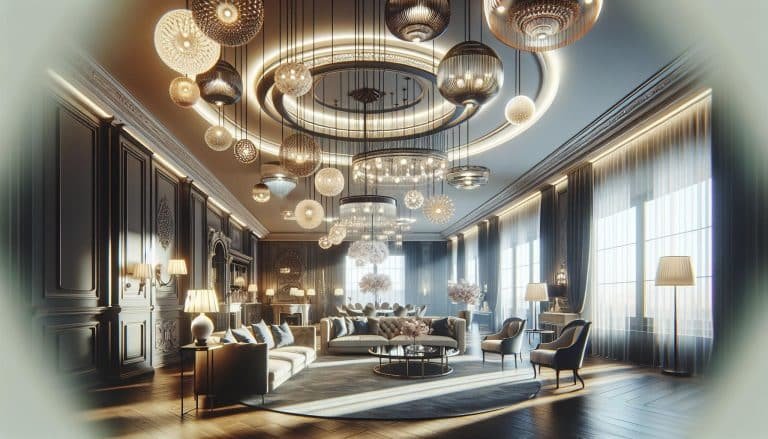
Ceiling mounted fixtures, such as chandeliers, pendants, and flush mounts, provide a central source of light, often acting as the primary layer of ambient lighting in a room. Chandeliers work well in dining areas and foyers, offering elegance and a focal point, while pendants, ideal for kitchen islands and countertops, provide directed light that’s perfect for task areas. Flush mounts and semi-flush mounts are versatile options for overall illumination in rooms with lower ceilings.
Wall-Mounted Fixtures
Wall-mounted fixtures, including sconces and wall lamps, offer both ambient and accent lighting, adding layers and depth to a space. They can highlight architectural features, artwork, or other focal points. Sconces are particularly useful in hallways and bedrooms, where they create a soft, indirect light that enhances the room’s ambiance without overwhelming it.
Track Lighting and Recessed Fixtures
Track lighting and recessed fixtures are key for adjustable and inconspicuous lighting. Track lighting offers flexibility, allowing individual lights to be directed at various features or areas, making it perfect for accent lighting. Recessed lighting, on the other hand, blends into the ceiling, providing a clean, streamlined look for ambient or task lighting. It’s especially useful in kitchens and living rooms where it can be positioned to eliminate shadows and evenly distribute light.
Floor and Table Lamps
For added versatility and warmth, floor and table lamps should not be overlooked. These portable fixtures contribute to a room’s task and ambient lighting, with the added benefit of introducing style and personality. They’re particularly effective in living areas, where they can create cozy reading nooks or illuminate workspaces.
To explore a comprehensive list of lighting fixture types and their uses, reputable sources such as Architectural Digest and House Beautiful provide valuable insights and inspiration. Delving into these resources can help in making informed decisions to achieve the desired lighting ambiance in any room.
Creating a Lighting Plan
When embarking on the task of layering lighting in a room, creating a comprehensive lighting plan is an essential first step. This plan serves as a roadmap, guiding the placement and type of lighting fixtures to create a balanced and inviting atmosphere. To start, one must assess the room’s dimensions, ceiling height, and natural light sources. This information helps in determining the number and types of fixtures needed to achieve the desired ambiance.
Next, consider the function of the room. Different activities require different lighting strengths and positions. For instance, a study or home office needs brighter, more direct lighting than a bedroom, which benefits from softer, more diffused lighting options. Following this, incorporating a mix of ambient, task, and accent lighting will ensure that every corner of the room serves its purpose effectively.
Ambient lighting, usually provided by ceiling-mounted fixtures, sets the room’s overall tone. Task lighting, such as desk lamps or under-cabinet lights, offers focused illumination for specific activities. Accent lighting, including wall sconces and track lights, highlights architectural features or artwork, adding depth and dimensions.
To optimize the lighting plan, employing dimmer switches and smart lighting solutions allows for adjustability based on time of day or mood. This flexibility ensures that the room’s lighting remains functional and atmospheric at all times.
For further guidance on creating a personalized lighting plan, reputable sources like Architectural Digest and House Beautiful offer expert insights. These resources provide a wealth of information on selecting the right fixtures, positioning them for maximum impact, and blending different types of lighting for a cohesive look.
Playing with Light Levels
When crafting the perfect ambiance in any room, Playing with Light Levels stands as a fundamental strategy. This approach involves mixing various intensities of light to create a dynamic and adaptable environment. For homeowners aiming to achieve a layered lighting look, understanding how to manipulate light levels can transform a space from stark and functional to warm and inviting.
Firstly, adjustable lighting solutions are key. Dimmer switches offer the flexibility to alter the brightness of light fixtures, tailoring the mood to the time of day or the activity taking place. Smart lighting technology takes this a step further by allowing homeowners to control light settings via smartphone or voice-activated devices. These tools are vital in creating a versatile space that can shift from a bright and energetic home office during the day to a cozy reading nook by evening.
The importance of task lighting cannot be overstated in this context. While ambient lighting provides the overall illumination of a space, task lighting focuses on specific areas, ensuring sufficient brightness for detailed activities without overpowering the entire room. Sources like House Beautiful recommend incorporating task lighting in areas like kitchen counters, desks, and reading corners to enhance functionality without sacrificing style.
Accent lighting adds another dimension to the mix, highlighting architectural features or artwork, and creating focal points within the room. This type of lighting, which can include wall sconces, track lighting, or picture lights, adds depth and character to a room. For inspiration and guidance on optimizing accent lighting, Architectural Digest provides a plethora of ideas and tips.
Together, these strategies for playing with light levels encourage a thoughtful approach to room design. By balancing brightness, directing focus, and accentuating key features, homeowners can achieve a harmonious and inviting atmosphere. For further reading, reputable sources like Architectural Digest and House Beautiful offer extensive guides and examples on mastering the art of layering lighting in a room.
Showcasing the Perfect Glow
Creating the perfect glow in a room goes beyond merely illuminating dark spaces. It’s about crafting an atmosphere that complements the room’s aesthetic while enhancing the functionality of each area. When done right, lighting can transform any room into a serene and inviting space.
Natural lighting plays a pivotal role in achieving the perfect glow. Homeowners should maximize the use of natural light by carefully considering window treatments. Sheer curtains or adjustable blinds allow for control over the brightness and can create a soft, diffused light that adds warmth to a room. Sources like House Beautiful suggest leveraging natural light as much as possible before turning to artificial solutions.
For artificial lighting, layering is key. Incorporating a mix of ambient, task, and accent lighting ensures that every corner of the room is adequately lit. Ambient lighting, often coming from ceiling fixtures, sets the overall brightness of the room. Task lighting, such as desk lamps or under-cabinet lights, illuminate specific work areas. Accent lighting, like track lights or wall sconces, provides depth and dimension by highlighting architectural features or artwork.
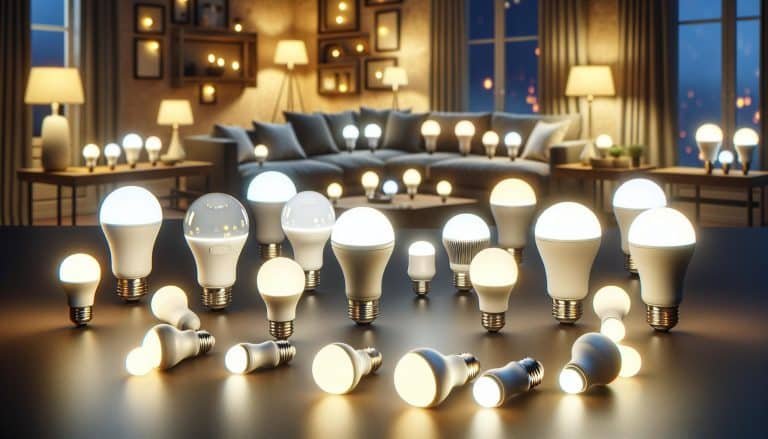
Color temperature also significantly impacts the mood of a room. Warm white bulbs (2700K to 3000K) create a cozy and welcoming atmosphere, ideal for living rooms and bedrooms. In contrast, cool white bulbs (3500K to 4100K) emit a more energetic light, suitable for kitchens and bathrooms. The right balance can turn any room into a versatile space that meets the homeowner’s needs throughout the day.
Experts from Architectural Digest emphasize the importance of experimenting with different fixtures and bulb temperatures to find the perfect combination. By adjusting light levels and colors, homeowners can highlight the room’s best features and create a dynamic space that adapts to their needs.
Smart lighting technology has revolutionized how we interact with light. With the ability to control lights through smartphone apps or voice commands, creating the perfect glow has never been easier.
Conclusion
Achieving the perfect glow in a room is all about understanding and implementing the principles of layering lighting. By blending natural light with a mix of ambient, task, and accent lighting, one can create a space that’s both functional and inviting. The choice of bulb temperature plays a crucial role in setting the right mood, with warm and cool tones offering different vibes. With today’s smart lighting technologies, it’s easier than ever to fine-tune lighting to match any occasion or time of day. Remember, the key is to experiment and adjust until you find that ideal lighting harmony that makes your space shine.
Frequently Asked Questions
How can I maximize natural light in a room?
To maximize natural light, use window treatments that allow sunlight to penetrate the room. Consider light, translucent curtains or adjustable blinds to control the amount of light.
What is the importance of using different types of lighting?
Utilizing ambient, task, and accent lighting is crucial to ensure all areas of the room are adequately illuminated. This combination enhances functionality and mood.
How does color temperature affect the mood of a room?
Color temperature significantly impacts the room’s atmosphere. Warm white bulbs create a cozy, welcoming feel, while cool white bulbs contribute to a more energetic and alert ambiance.
Should I experiment with different light fixtures and bulb temperatures?
Yes, experimenting with various fixtures and bulb temperatures is encouraged to find the perfect lighting combination that suits your space and personal preferences.
Can smart lighting technology help achieve the perfect room glow?
Smart lighting technology can greatly assist in controlling and customizing the lighting in a room, making it easier to achieve the desired ambiance at any time of the day.