How to Find the Best Paint Colors for Wood Tone

Choosing the right paint colors to complement your wood tones can transform a space, creating harmony and balance in your home. Whether you’re working with warm oak, rich mahogany, or cool gray wood, the right paint color can enhance its natural beauty.
Note: This post may contain affiliate links, which means if you buy from my link I might make a small commission. This does not affect the price you pay. See the full affiliate disclosure here.
In this guide, we’ll explore how to select paint colors for wood tones, ensuring a cohesive and stylish look for your walls, trim, and furniture.
Why Does Wood Tone Matter When Choosing Paint?
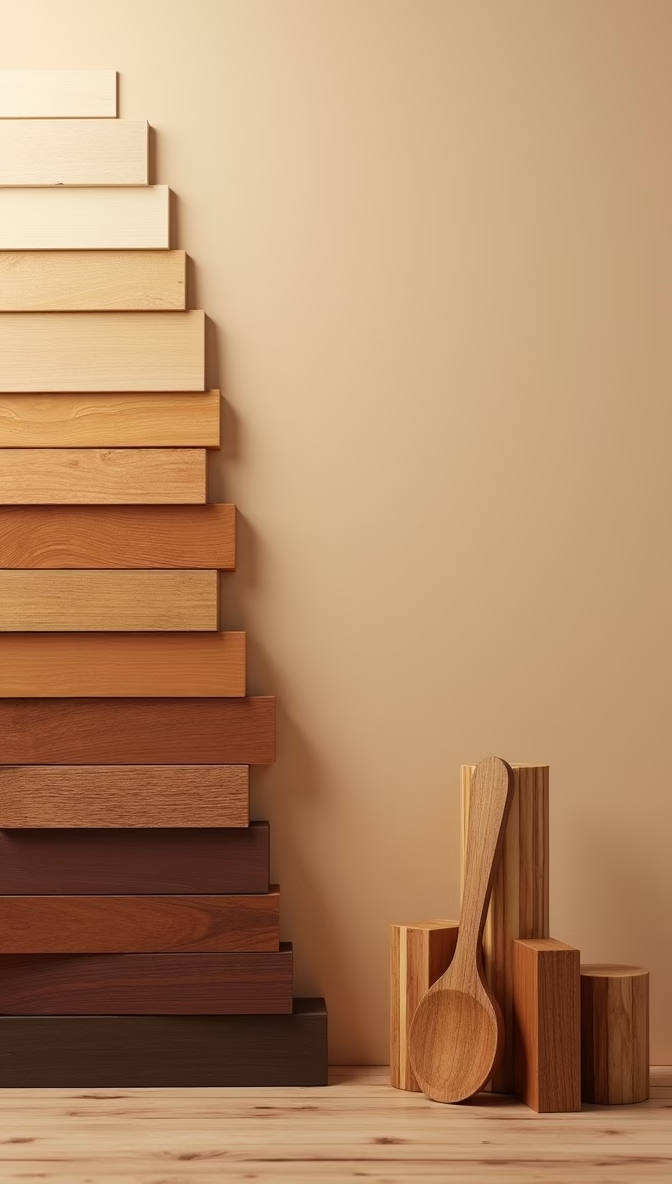
Wood brings warmth, texture, and character to a room, but its undertones (warm, cool, or neutral) influence how paint colors appear. The right pairing can:
- Highlight the wood’s natural beauty
- Create a balanced, intentional design
- Make a space feel larger or cozier
- Prevent clashing undertones
Understanding wood tones and their undertones is key to making the best paint choices.
Identifying Your Wood’s Undertone
Wood tones fall into three main categories:
1. Warm Wood Tones
- Examples: Cherry, oak, mahogany, pine, teak
- Characteristics: Red, orange, or yellow undertones
- Best Paint Pairings:
- Soft whites with warm bases (e.g., Alabaster by Sherwin-Williams)
- Earthy greens (e.g., sage, olive)
- Warm neutrals (beige, cream, taupe)
- Deep blues with warm undertones (navy, slate blue)
2. Cool Wood Tones
- Examples: Ash, birch, maple, driftwood, gray-stained woods
- Characteristics: Gray, whitewashed, or bluish undertones
- Best Paint Pairings:
- Crisp whites (e.g., Chantilly Lace by Benjamin Moore)
- Cool grays and greiges
- Soft blues (e.g., powder blue, seafoam)
- Moody greens (e.g., forest green, eucalyptus)
3. Neutral Wood Tones
- Examples: Walnut, some oak varieties, unstained bamboo
- Characteristics: Balanced, neither overly warm nor cool
- Best Paint Pairings:
- Versatile neutrals (e.g., Revere Pewter by Benjamin Moore)
- Muted pastels (soft blush, pale lavender)
- Bold contrasts (charcoal, deep emerald)
How to Test Paint Colors with Your Wood
Before committing, follow these steps to ensure the perfect match:
1. Observe in Different Lighting
- Natural daylight enhances warm tones, while artificial light can cool them down.
- View paint swatches at different times of day.
2. Compare Undertones
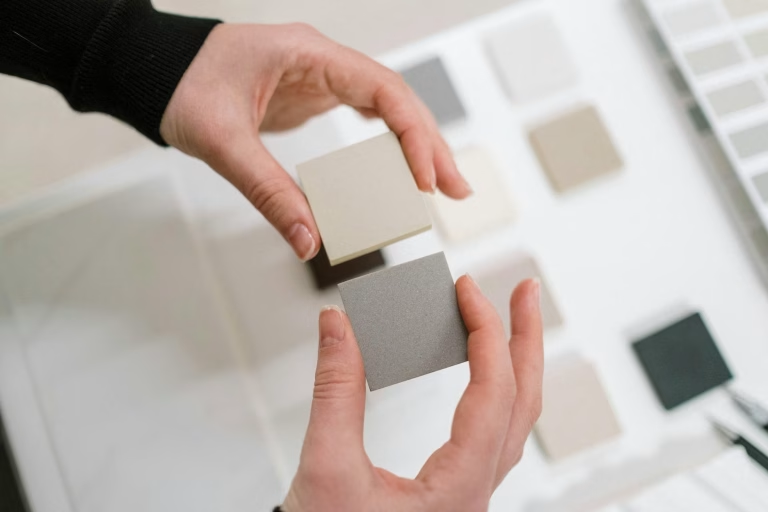
- Hold paint samples next to the wood—does the wood look more yellow, red, or gray?
- Avoid clashing undertones (e.g., a cool gray wall with orange-toned oak).
3. Test Large Samples
- Paint poster boards and place them near the wood to see the interaction.
- Look for unwanted color shifts (e.g., a beige turning pink next to cherry wood).
4. Consider the Room’s Mood
- Warm woods + warm paints = Cozy, traditional feel
- Cool woods + cool paints = Modern, airy aesthetic
- Contrasting tones = Bold, dramatic effect
Best Paint Colors for Common Wood Types
For Oak (Golden or Honey Tones)
- Best Paint Colors:
- Swiss Coffee (Benjamin Moore) – Warm white
- Sea Salt (Sherwin-Williams) – Soft green-gray
- Urbane Bronze (Sherwin-Williams) – Deep, warm neutral
For Walnut (Rich, Neutral Brown)
- Best Paint Colors:
- White Dove (Benjamin Moore) – Soft, warm white
- Hale Navy (Benjamin Moore) – Classic deep blue
- Mushroom (Behr) – Earthy taupe
For Gray or Weathered Wood
- Best Paint Colors:
- Gray Owl (Benjamin Moore) – Light, airy gray
- Alabaster (Sherwin-Williams) – Warm white
- Salty Dog (Sherwin-Williams) – Bold navy
Design Tips for Pairing Paint with Wood
✔ Monochromatic Look: Use varying shades of the same color family (e.g., cream walls with golden oak trim).
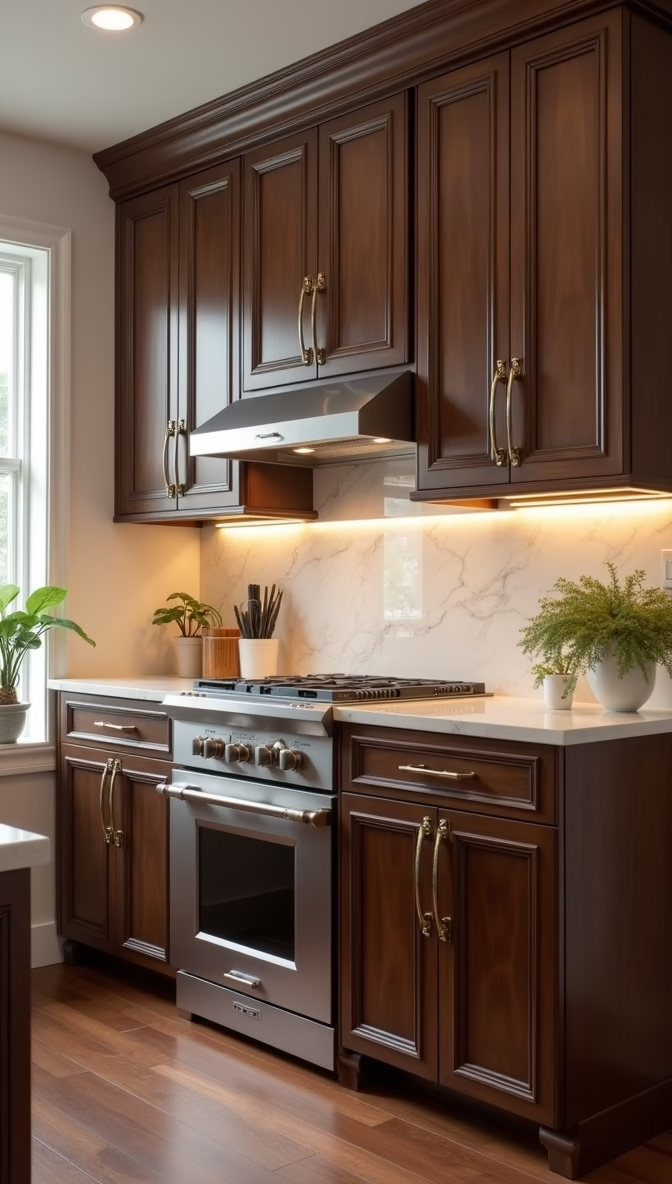
✔ High Contrast: Dark wood with light walls (e.g., espresso cabinets + white walls).
✔ Tonal Harmony: Match undertones (warm wood + warm paint).
✔ Accent Walls: Let wood be the star and keep walls neutral, or vice versa.
Final Thoughts
Choosing the right paint color for your wood tones doesn’t have to be overwhelming. By identifying the undertones in your wood and testing paint samples in your space, you can create a cohesive and beautiful look.
Whether you prefer a warm, inviting feel or a cool, modern aesthetic, the perfect paint color is out there—happy decorating!