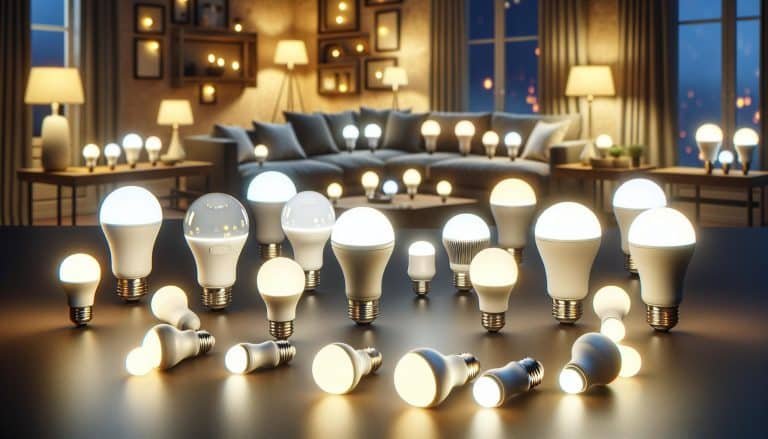
Smart Lighting and Technology: Elevate Your Home’s Glow

In the realm of home automation, smart lighting stands out as a beacon of innovation and convenience. It’s not just about turning lights on and off remotely; it’s about creating an ambiance that adapts to your lifestyle, enhances security, and even saves energy. As technology advances, the possibilities for personalized home illumination are expanding, making every room in your house not just brighter, but smarter.
Note: This post may contain affiliate links, which means if you buy from my link I might make a small commission. This does not affect the price you pay. See the full affiliate disclosure here.
Smart lighting systems integrate seamlessly with other smart home technologies, offering a level of interconnectivity that was once the stuff of science fiction. Whether it’s voice-activated adjustments, scheduling lights to mimic your daily patterns, or syncing with your favorite music for a spontaneous dance floor at home, smart lighting is transforming the way we think about and interact with light. Let’s dive into the world of innovative home illumination and explore how smart lighting is setting the stage for a brighter, more efficient future.
Evolution of Lighting Technology
The journey from traditional incandescent bulbs to today’s smart lighting systems is a fascinating story of innovation and technological advancement. Initially, lighting solutions were focused solely on functionality, providing light where and when it was needed. However, as technology evolved, so too did the capabilities and features of lighting systems.
In the late 19th century, Thomas Edison and Joseph Swan invented the incandescent bulb, which became the primary source of artificial light for decades. Despite its widespread use, the incandescent bulb was inefficient, converting only about 5% of energy into light with the rest lost as heat. This inefficiency paved the way for the development of more energy-efficient alternatives.
The Compact Fluorescent Lamp (CFL) emerged in the 1970s as a more energy-efficient option, using about one-third to one-fifth the energy of incandescent bulbs. However, concerns over the use of mercury in CFLs and the desire for even more efficiency led to the advent of Light Emitting Diode (LED) technology. LEDs are significantly more efficient than both incandescent and CFL bulbs, use less energy, and have a longer lifespan. A pivotal moment in lighting technology, LEDs set the stage for the development of smart lighting.
Smart lighting utilizes LED technology as a foundation but incorporates connectivity and automation, allowing for unprecedented control over home illumination. These systems can be managed via smartphones, voice assistants, or other smart home devices, offering features like dimming, color change, and scheduling. The integration of smart lighting into home automation systems represents a significant leap forward in both convenience and energy efficiency.
For an in-depth look at the historical development of lighting technology, visit sites like the Department of Energy and IEEE Global History Network.
With the continuous advancement in wireless communication and Internet of Things (IoT) technologies, the future of lighting looks even brighter. Innovations in smart lighting not only promise to further enhance the user experience through more intuitive controls and features but also aim at promoting sustainability by reducing energy consumption.
Benefits of Smart Lighting Systems
Smart lighting systems have revolutionized home illumination by offering an array of advantages that enhance efficiency, convenience, and security. By integrating advanced technology into everyday living, these systems provide users with unparalleled control over their home environment.
Energy Efficiency and Cost Savings
One of the primary benefits of smart lighting is its ability to significantly reduce energy consumption, which translates into cost savings. Smart bulbs, primarily LED-based, consume less power than traditional incandescent bulbs. Furthermore, smart lighting systems enable users to adjust brightness and color temperature, optimizing energy usage. According to an analysis by Energy Star, LED bulbs use up to 90% less energy and last 15 times longer than traditional incandescent bulbs. Automating lights to turn off when rooms are unoccupied can further enhance energy savings.
Enhanced Convenience and Comfort
The convenience offered by smart lighting systems is unparalleled. With the ability to control lights through smartphone apps or voice commands, users can easily adjust settings from any location. This remote access not only improves comfort but also allows for the customization of lighting scenarios to match activities or moods, creating a more personalized living space.
Security and Safety Features
Smart lighting also plays a beneficial role in home security. Programmable features allow lights to simulate occupancy when homeowners are away, deterring potential intruders. Motion-sensitive lights can illuminate dark pathways or areas, reducing the risk of accidents. Sources like Forbes highlight that integrating smart lighting with home security systems can alert homeowners to suspicious activities, providing an extra layer of safety.
Integration with Home Automation
Today’s smart lighting systems are often integrated with broader home automation solutions, offering seamless control over various aspects of home management. This interconnectedness not only simplifies the interaction with multiple devices but also enables the creation of sophisticated, efficient, and convenient ecosystems within homes.
These benefits underscore the transformative impact of smart lighting on home illumination. Its adoption continues to grow as users become more aware of the operational efficiencies, enhanced lifestyle options, and security enhancements it offers.
Integration with Smart Home Devices
The advent of smart lighting has heralded a new era in home automation, seamlessly integrating with a wide array of smart home devices. Smart lighting systems can now connect with everything from smart thermostats and security cameras to voice assistants like Amazon Alexa, Google Assistant, and Apple HomeKit. This interconnectedness offers homeowners unprecedented control over their living environments, enhancing both convenience and security.
Smart lighting’s ability to work in tandem with home security systems is a critical feature. When connected to motion sensors or surveillance cameras, smart bulbs can be programmed to illuminate specific areas of a home if unexpected movement is detected, acting as a deterrent to potential intruders. Moreover, integrating smart lighting with door locks and cameras provides homeowners with the ability to create “away from home†lighting schedules, simulating occupancy and thus further securing their homes.
The compatibility with voice assistants and smart speakers offers another layer of convenience, allowing users to control lighting settings through simple voice commands. This hands-free control is especially beneficial for individuals with mobility issues or those who simply prefer an enhanced user experience.
For instance, saying “Hey Google, dim the living room lights†can adjust the room’s ambiance instantly without the need to physically interact with a switch or mobile device. The efficiency of this integration lies not only in the convenience it brings but also in the potential energy savings, as users can effortlessly adjust lighting as needed, without leaving lights unnecessarily on.
Leading companies in the smart home industry, such as Philips Hue and LIFX, offer comprehensive solutions that support these integrations. For more details on product compatibility, visiting the official Philips Hue or LIFX websites provides a wealth of information.
By connecting with a broad ecosystem of smart home devices, smart lighting systems extend beyond simple illumination functions, playing a pivotal role in the modern, automated home.
Personalized Lighting Control
Personalized Lighting Control represents a breakthrough in home illumination, offering users the ability to tailor lighting settings to their specific needs and preferences. Central to this advancement is the use of smart lighting apps and devices that enable users to adjust light intensity, color, and patterns with just a few taps on their smartphone or tablet.
One of the most popular features is scene setting. Users can create custom scenes for different activities – whether it’s a bright, vibrant setting for morning routines or a soft, dimmed ambiance for movie nights. This adaptability not only enhances the living experience but also contributes to energy efficiency by allowing lights to be adjusted according to natural light levels or specific room usage.
Integration with smart home ecosystems takes personalized control a step further. Systems like Apple HomeKit, Google Home, and Amazon Alexa allow users to synchronize their lighting with other smart devices. This integration means that lights can automatically turn on when the security system is deactivated or adjust based on the thermostat settings, providing a seamless smart home experience.
Furthermore, geofencing technology enables lights to react to the homeowner’s location. Lights can turn off automatically when the user leaves home and turn back on as they approach, ensuring energy is not wasted and that a welcoming environment awaits upon their return.
Leading brands such as Philips Hue and LIFX offer extensive ranges of smart bulbs and fixtures designed to support personalized lighting control. These products not only cater to functional needs but also aesthetic preferences, featuring millions of color options and various light intensities to fit any mood or occasion.
This capacity for customization and integration highlights the transformative impact of technology on home illumination, moving beyond simple utility to create smart environments that adapt to and enhance the way we live.
Future Trends in Home Illumination
As smart lighting technology continues to evolve, the future of home illumination looks bright with innovative trends that promise even more personalization and convenience. Leading the charge, human-centric lighting aims to improve overall well-being by aligning light settings with the human circadian rhythm. This technology, still in its nascency, has the potential to significantly impact how individuals experience their living spaces, with lights automatically adjusting their brightness and color temperature throughout the day.
Another exciting development is the integration of Augmented Reality (AR) and Artificial Intelligence (AI) in lighting systems. These technologies allow for a more interactive experience, enabling users to visualize and customize lighting effects in real-time using their smartphones or tablets. Major players in the industry such as Philips and LIFX are investing heavily in this area, indicating a strong future trend towards more immersive and personalized lighting solutions. Sources like Forbes and TechCrunch have highlighted these advancements, showcasing how they’re set to redefine the standards of home illumination.
Energy efficiency continues to be a key focus, with LED technology advancing to offer even lower power consumption alongside longer life spans. The advent of quantum dots in lighting promises to usher in a new era of efficiency and color quality, potentially revolutionizing the way we light our homes.
Moreover, the integration with smart home ecosystems is becoming more seamless. Future developments are expected to enable smart lighting systems to predict and adapt to user behaviors automatically, without the need for manual adjustments. This level of automation aims to enhance user convenience while optimizing energy usage, representing a significant leap forward in creating adaptive living environments.
These trends indicate a shift towards more sustainable, efficient, and personalized home illumination solutions, highlighting the ongoing innovation in the field of smart lighting technology.
Conclusion
The rapid evolution of smart lighting and technology underscores a bright future for home illumination. With human-centric designs that promote well-being, and the integration of AR and AI for interactive customization, lighting is no longer just about visibility—it’s about enhancing the quality of life. Companies like Philips and LIFX are at the forefront, driving innovation that promises not only energy efficiency but also a seamless blend with home ecosystems for unparalleled convenience. As these technologies continue to develop, they pave the way for lighting solutions that are not only smart but also intuitive, adapting to and predicting user needs with precision. The journey towards sustainable, efficient, and personalized lighting is well underway, shining a light on the exciting possibilities that lie ahead.
Frequently Asked Questions
What is human-centric lighting?
Human-centric lighting is a revolutionary concept that adjusts lighting settings to align with the human circadian rhythm, enhancing well-being by mimicking natural light patterns throughout the day. It aims to improve health and productivity by regulating sleep cycles and mood.
How are AR and AI changing smart lighting?
Augmented Reality (AR) and Artificial Intelligence (AI) are transforming smart lighting by allowing users to customize lighting effects interactively in real-time. These technologies enable personalized lighting experiences, offering innovative ways to control and adapt lighting environments.
Who are the major players in smart lighting technology?
Major industry players in smart lighting technology include Philips and LIFX. These companies are at the forefront of integrating cutting-edge technologies such as human-centric lighting, AR, and AI into their products, leading the shift towards more immersive and personalized lighting solutions.
What advancements have been made in energy-efficient lighting?
Advancements in energy-efficient lighting include improvements in LED technology and the introduction of quantum dots. These innovations promise higher efficiency and enhanced color quality, playing a crucial role in the future of energy-saving lighting solutions.
How will smart lighting integrate with home ecosystems in the future?
In the future, smart lighting is expected to seamlessly integrate with home ecosystems, leading to automated systems that can predict and adapt to user behaviors. This will optimize energy usage and enhance convenience by adjusting lighting based on presence, activities, and preferences, promoting a more sustainable and personalized home environment.